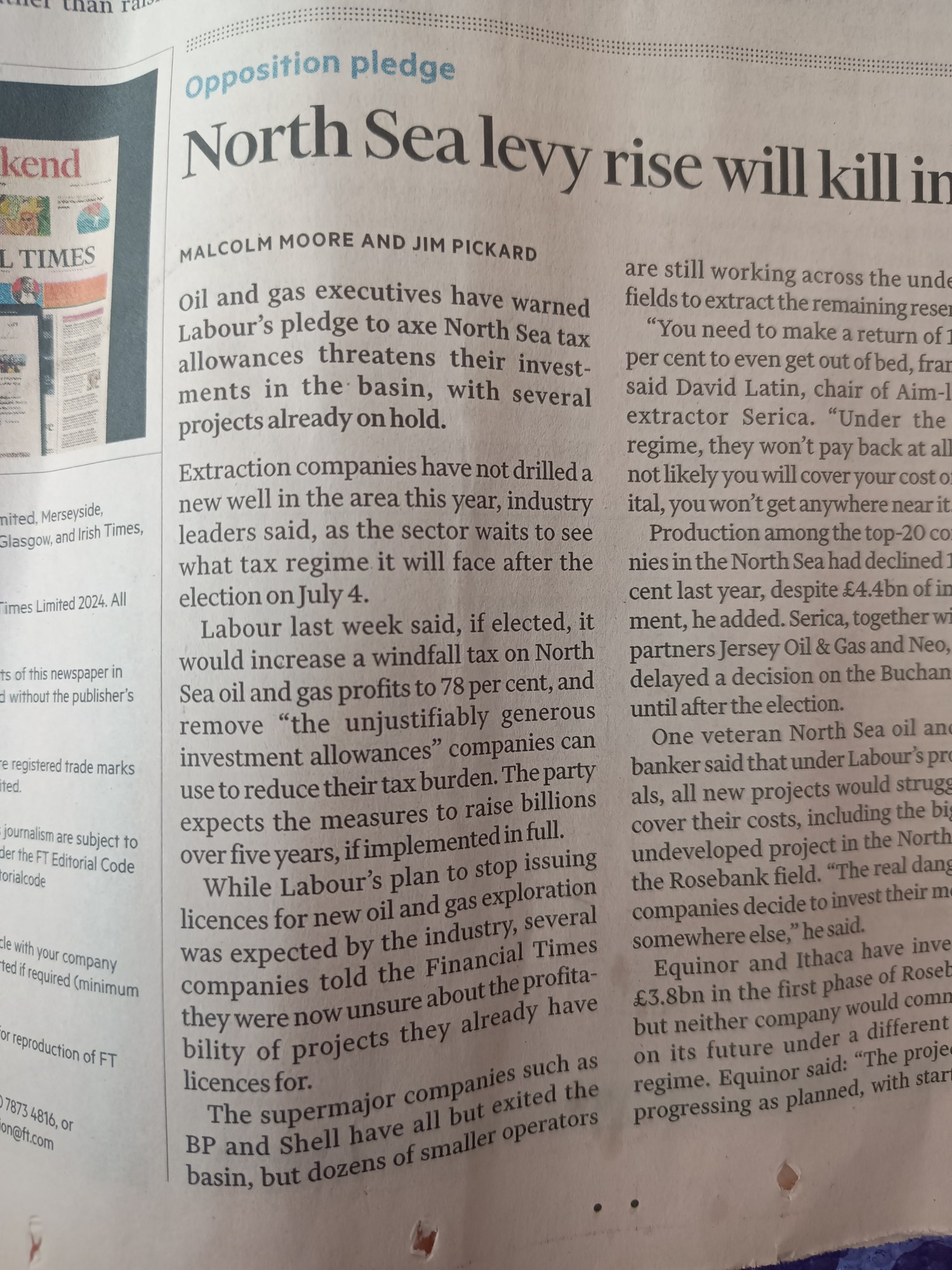
The above article is from the FT. In it, the author says that Oil & Gas executives in the UK are warning that North Sea Tax allowances, which the Labour party has said they would axe – if elected in the upcoming General Elections(scheduled for 4th July 2024) will threaten their investments in the North Sea basin…
It sounds a little bit like a threat from a mafioso kingpin…even if it’s not.
And unfortunately, these are the kinds of threats that force many governments to capitulate to big business, and corporate monopoly, fearing that any tax rises will lead to stagnation or shrinking of entire sectors, or worse.
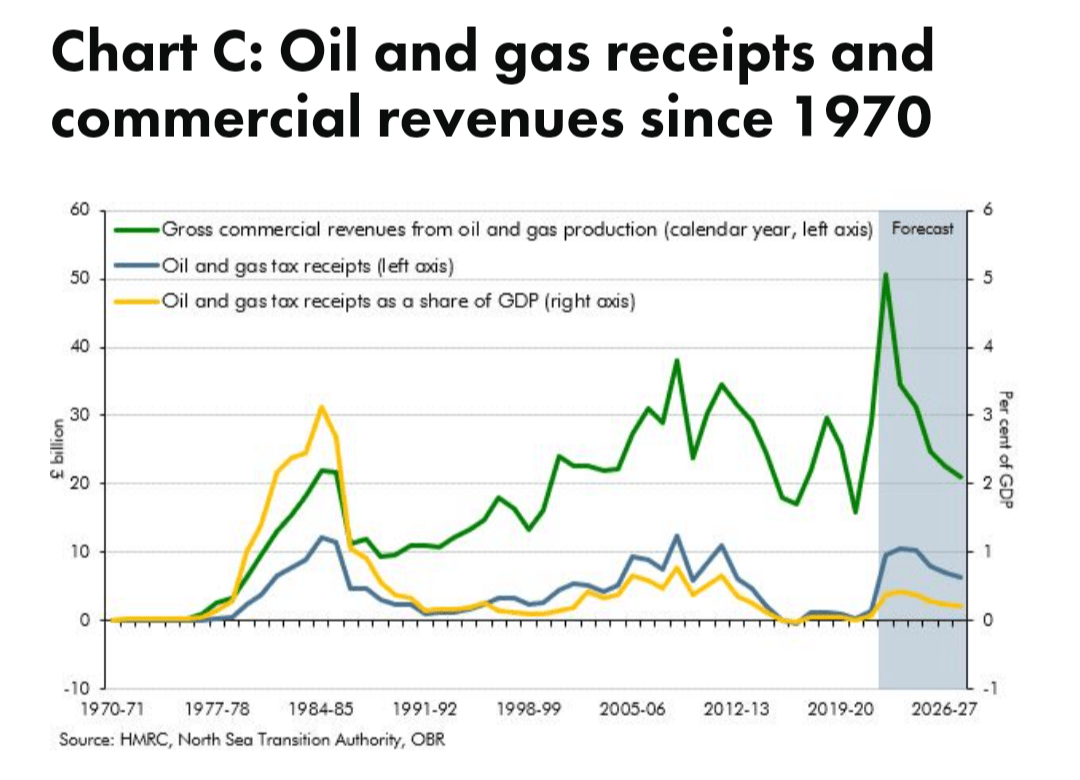
But what you are often not told is the scale of profits the “allowances”, tax breaks or other incentives have delivered to the companies in question in the years that those tax incentives were active, or in the years preceding any “windfall” taxes.
Let me break it down with a simple example. If operations of one company in the North Sea began in the year 2000, and between 2000 and 2005 they had a tax break that effectively reduced their tax burden to only 3% – 5%. And let’s assume they made a loss of £200 million cumulatively in those years, when you factor in the investments which were made in establishing their operations. But between 2005 and 2020, 15 years, they cumulatively made profits of say £7 Billion, when adjusted for inflation. And the windfall tax came into force only in 2020. Then, objectively, how unfair would it be to then expect that company to pay more in taxes, considering their very good fortunes in the preceding years? Especially when there’s a cost of living crisis (as is the case in many countries now) that has on one hand created untold levels of poverty in working families, and on the other delivered huge profits to oil and gas companies…
How is a responsible government supposed to react?
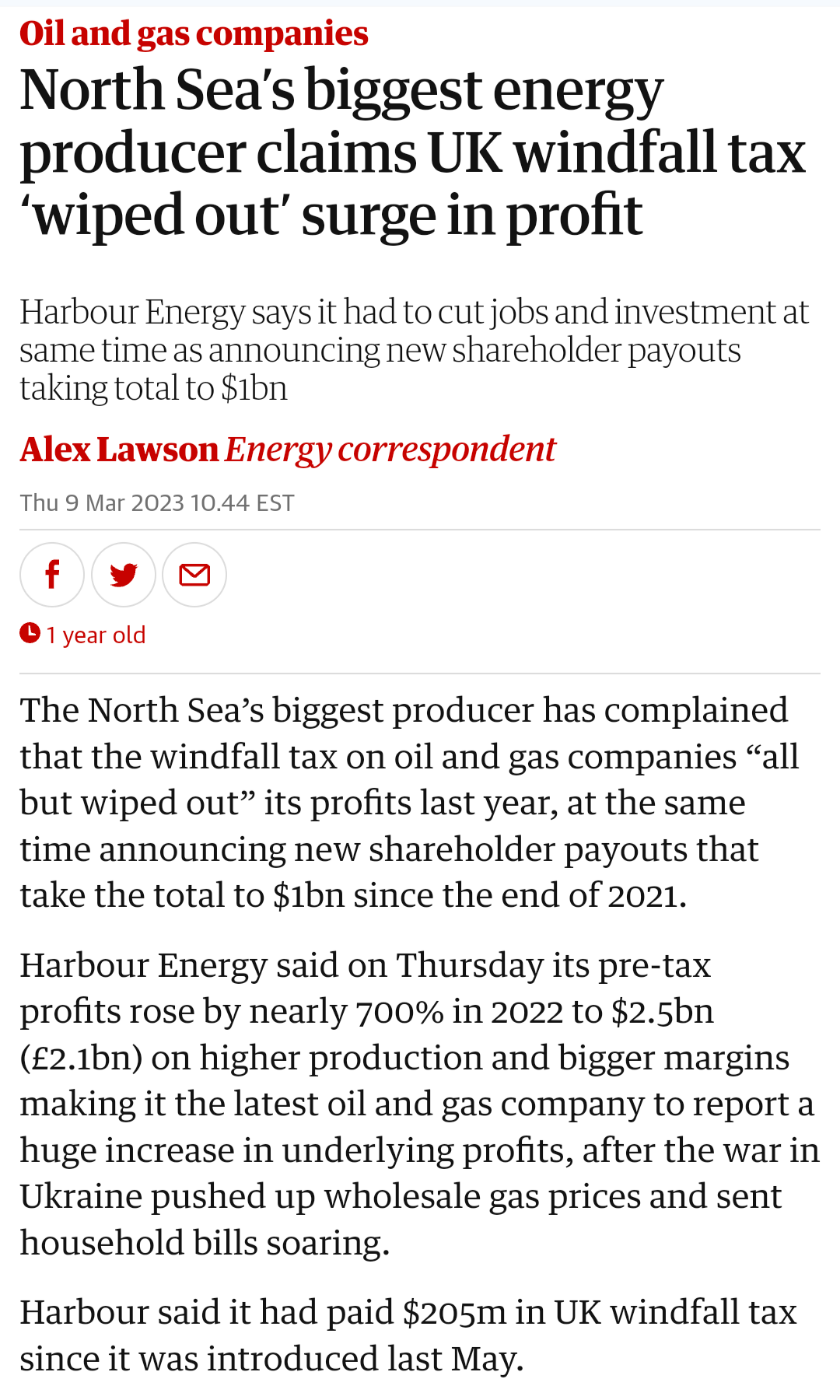
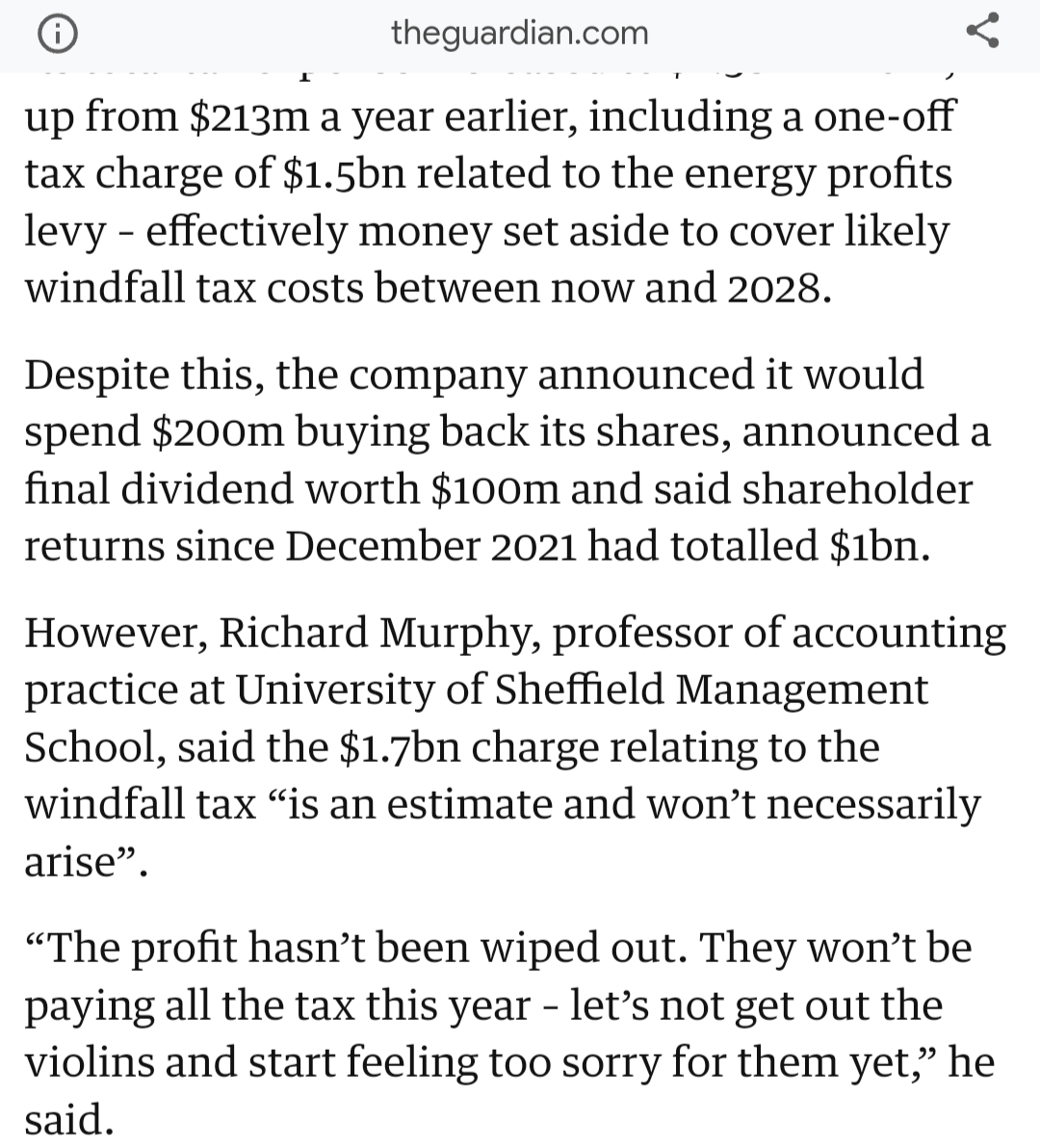
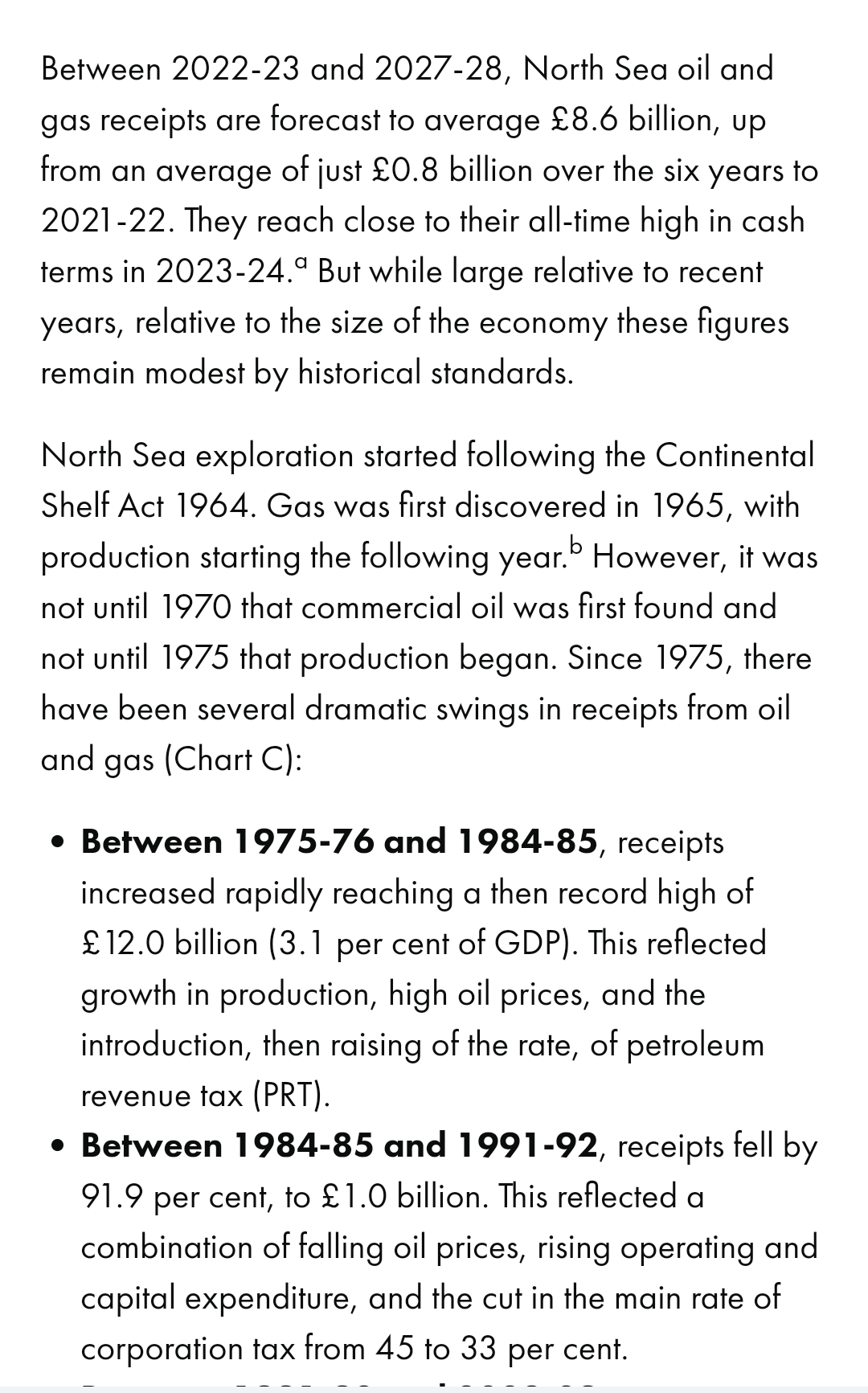
A further perspective from the Office of Budget Responsibility is presented below
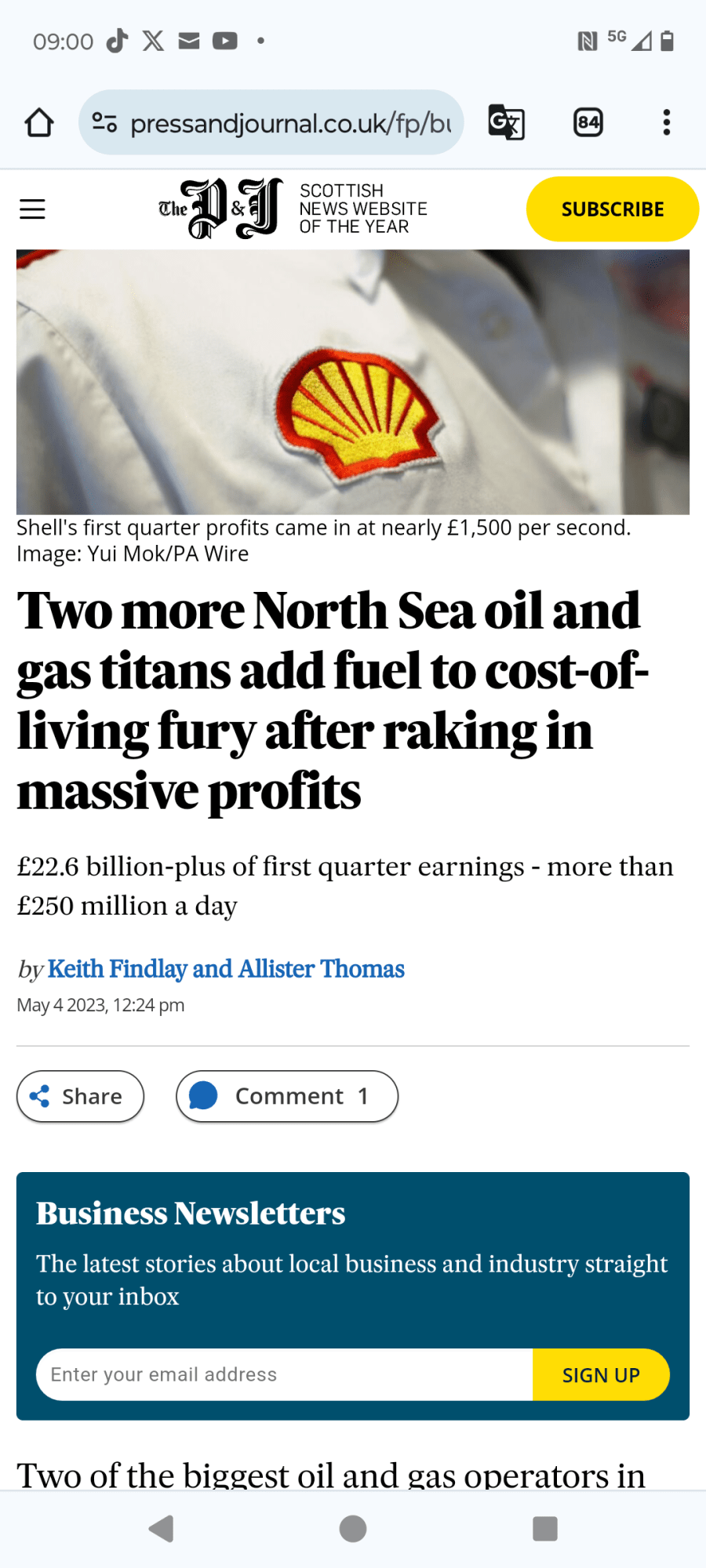
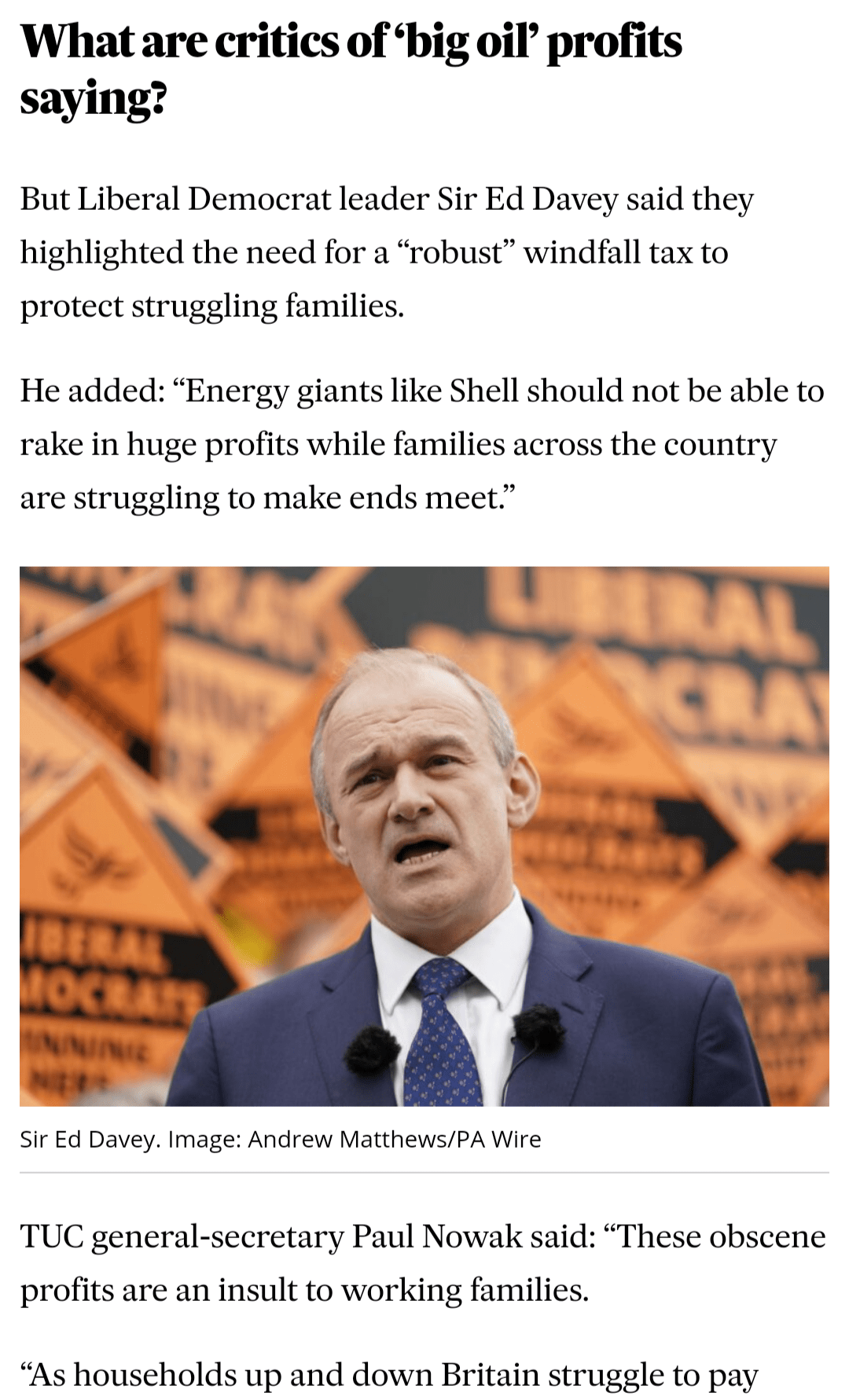
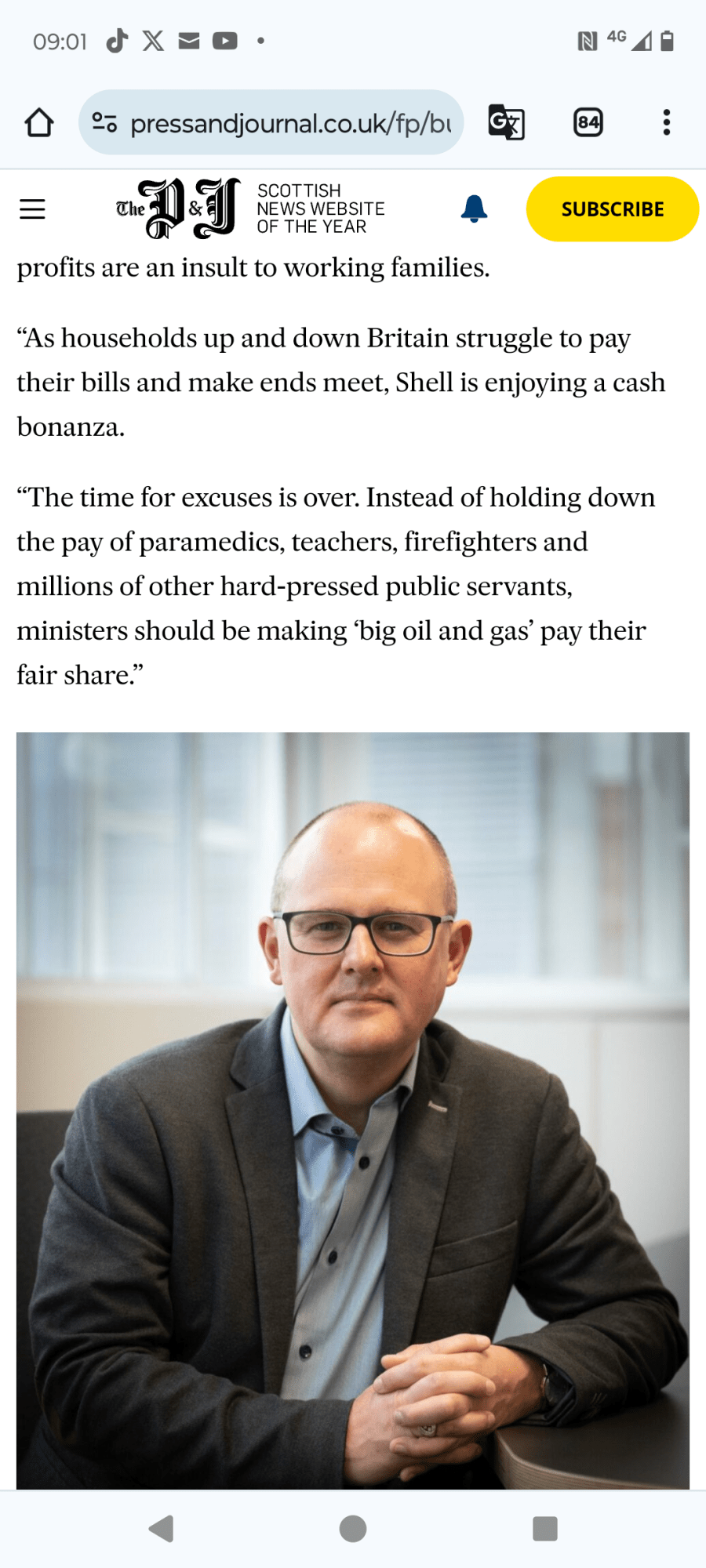
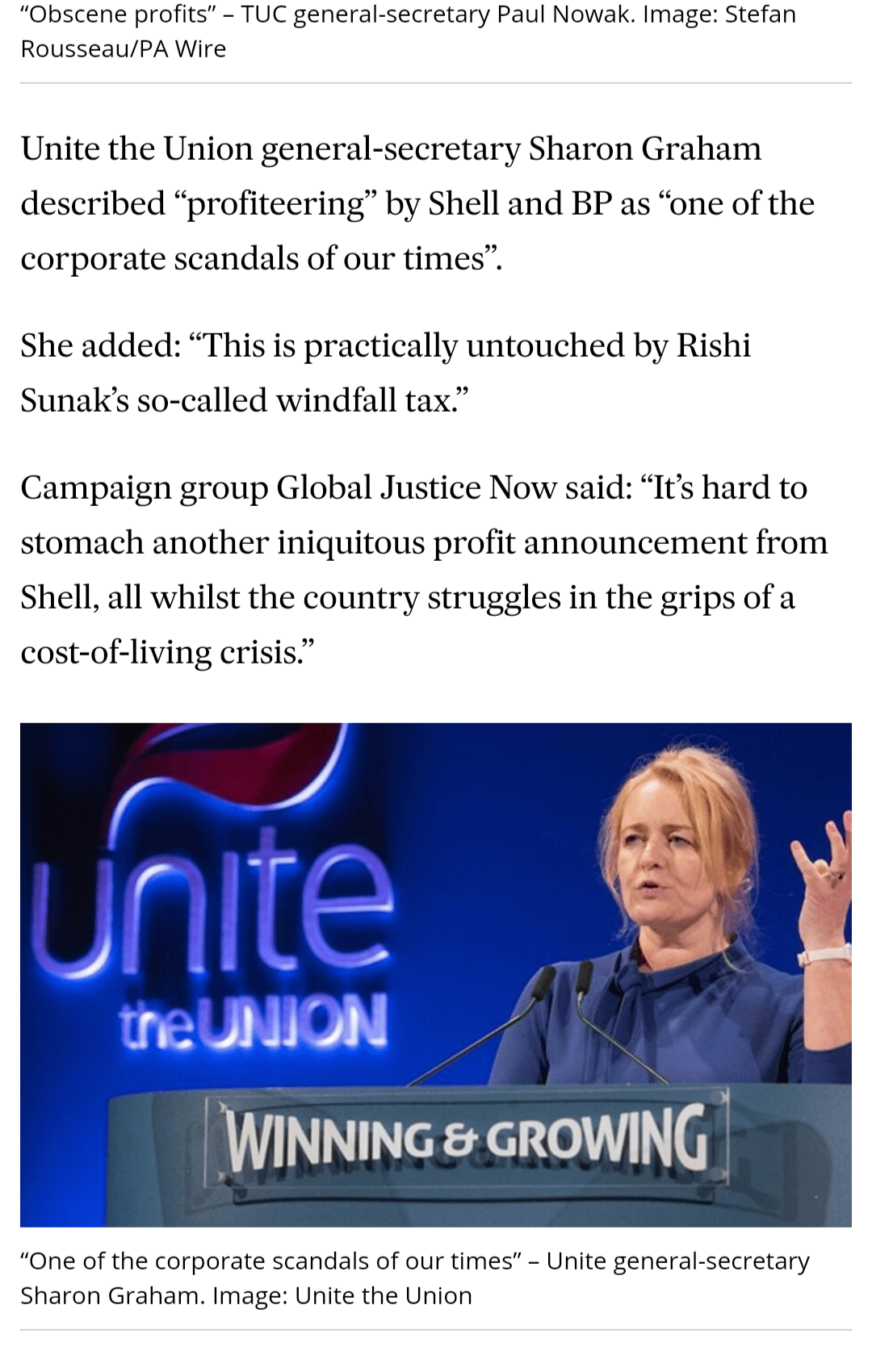
A final perspective from Press & Journal

My point with all this: Sometimes when businessmen make certain threats, it has to be taken with ‘buckets-full’ of salt. The truth of the matter is probably nowhere near what is being alleged.
And our ignorance about these things in Africa, and our lack of preparedness on the part of our leaders to ask the tough question, & to effectively negotiate contracts that are fair and proportionate, & to investigate the sectors thoroughly, means we’re often losing out big time.
I say Africa, because maybe the UK (& other rich countries) can afford to give large oil & gas companies fat tax incentives/ tax breaks. But our countries in Africa do not have that luxury. Not when you consider the poverty of the majority of our people, all the under investment in almost every sphere, the lack of opportunities, the high youth unemployment, the unavailability of medicines, the lack of health facilities, poor education facilities, the absence of social security, not when you consider that often times our governments don’t even have the money to be able to provide the basics like clean water, food, electricity and housing.
So when we’re saying that our dependency as Africans on international aid is bad for Africa, we have to ask questions as to where the shortfall in our countries’ budgets will come from? Which naturally, I believe, leads to robust mechanisms that ensure that the Investments that are made in our countries do actually deliver fair returns to our citizens, & not just to the shareholders of the investors.
On this website, we have been writing about these things for many years now. And it has been tiring, to say the least. We’re not going to give up, far from it. But it would be good if our leaders began to take notice.
 malawiace.com