
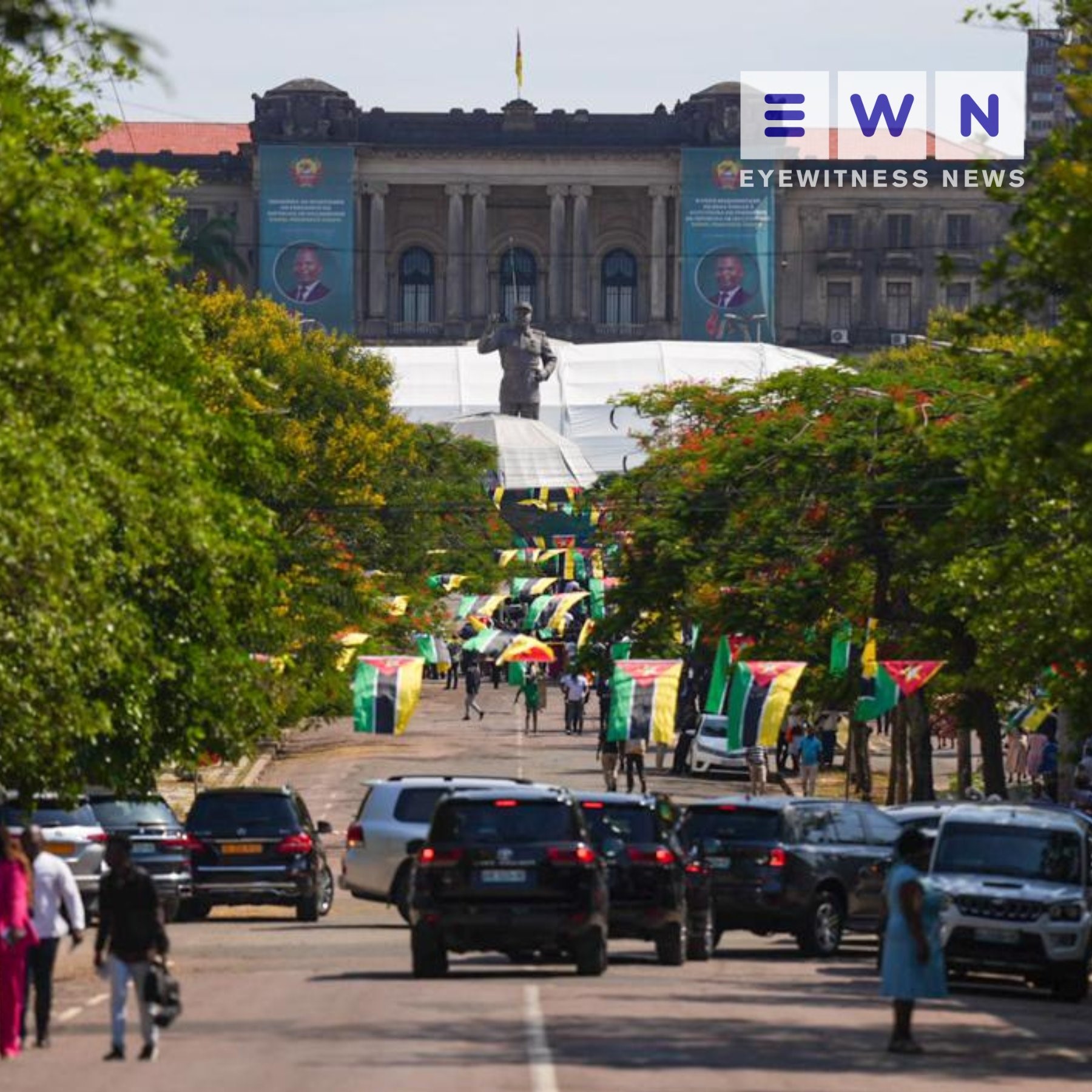
In the wake of the October 9 presidential elections in Mozambique, which saw Daniel Chapo of the ruling Frelimo party declared victor over opposition leader Venâncio Mondlane, who disputes the election results, a significant wave of refugees have now crossed into Malawi. The elections have sparked ongoing protests and violent clashes. There are reports of widespread criminality and looting, unrest which has driven thousands of people to seek safety across the border. There have been at least 300 fatalities as a result of the post-election violence.
Manase Madia, a 50-year-old Mozambican, is one among approximately 13,000 who have fled to Malawi in the last two months. His story is a stark illustration of the chaos; after his shop in Morrumbala was destroyed and his livestock stolen, Madia escaped with his family on a motorbike, leaving behind a life where neighbors turned into threats. “The people doing violence are our neighbors and they know us very well,” he exclaimed, highlighting the personal betrayal and fear that now pervades much of the region.
The violence initially targeted political figures but has since escalated into broader attacks aimed at those perceived to have wealth or possessions. Madia noted, “At first, it was party members who were getting their houses broken into,” underscoring the shift from political to criminal motivations.
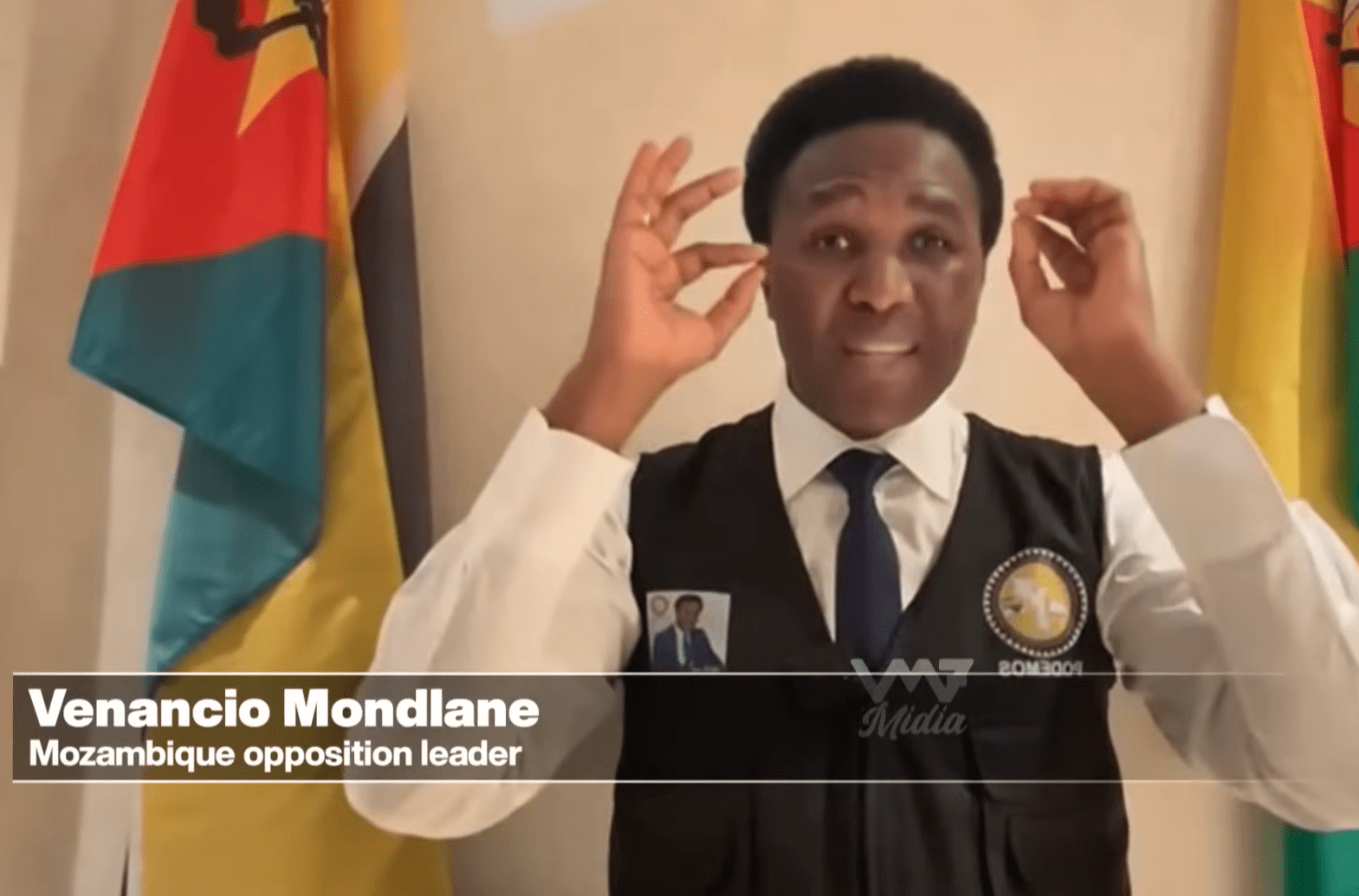
– Political crisis in Mozambique shows no signs of abating (gisreportsonline)
– Thousands flee Mozambique for Malawi to escape deadly post-vote violence (France 24)
(Image Copyright: France 24 – Venancio Mondlane has claimed the election was rigged, sparking violence between supporters of rival parties)
Malawi, despite facing its own crises with drought-induced food shortages and fuel scarcity, has responded with open arms to the refugees, many of whom share cultural ties. The Malawian government, under the strain of a declared state of disaster, is working with international bodies like the UNHCR and the International Red Cross, and others, to manage the influx. Tents are being erected in three centers, food, hygiene and sanitation supplies are being distributed, and a at least 3 schools have been repurposed to accommodate the newcomers.
Judith Fukizi from the International Red Cross’s Restoring Family Links program describes the harrowing experiences of families torn apart by the violence, with children often separated from their parents in the chaos. The urgency to reunite families is palpable as she coordinates efforts to locate and inform about the welfare of loved ones.
Hilda Katema Kausiwa from Malawi’s Ministry of Homeland Security has expressed concerns over sanitation, hygiene, and health among the refugees, noting cases of malnutrition among children. Approximately 46 hectares have been allocated for a refugee settlement, with ongoing assessments to ensure resources are directed efficiently to those genuinely in need.
The situation has put immense pressure on local resources in Malawi, Civil Society organisation leaders are calling for an integrated response that not only aids the refugees but also supports the hosting communities who have shown remarkable solidarity with the refugees in this crisis.
The crisis in Mozambique has not only displaced thousands but has also strained regional stability, with Malawi stepping up to help despite its own challenges. Bloomberg estimates that Mozambique has lost over US$600 million in as a result of the unrest, and is considering a debt restructuring. Ironically, the upheaval and security lapses are the reasons why Zambia and Malawi suspended the import of fuel via the port of Beira, a factor that has contributed to the fuel shortages in Malawi.
Nevertheless, the international community’s role remains important because Malawi will need support to manage this humanitarian emergency while dealing with its own internal issues of drought, fuel scarcity and food insecurity.
The narrative of this displacement reflects broader themes of post-election violence, political unrest and the resilience of communities in crisis. This is not the first time Mozambique has seen post-election violence. Indeed, since the 1990s similar crises have occurred that have also displaced thousands, and seen the loss of life and damage to property and businesses.
(Note: some content republished herein is from a report by The Guardian, & SKY NEWS)
 malawiace.com