

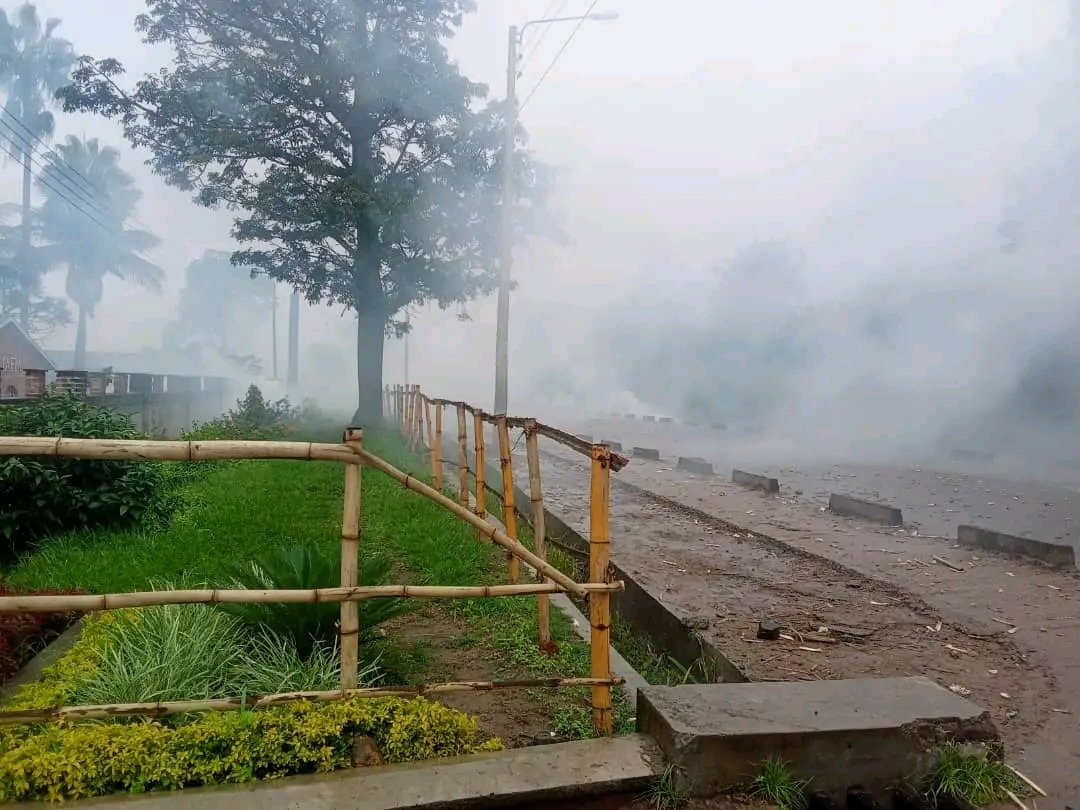
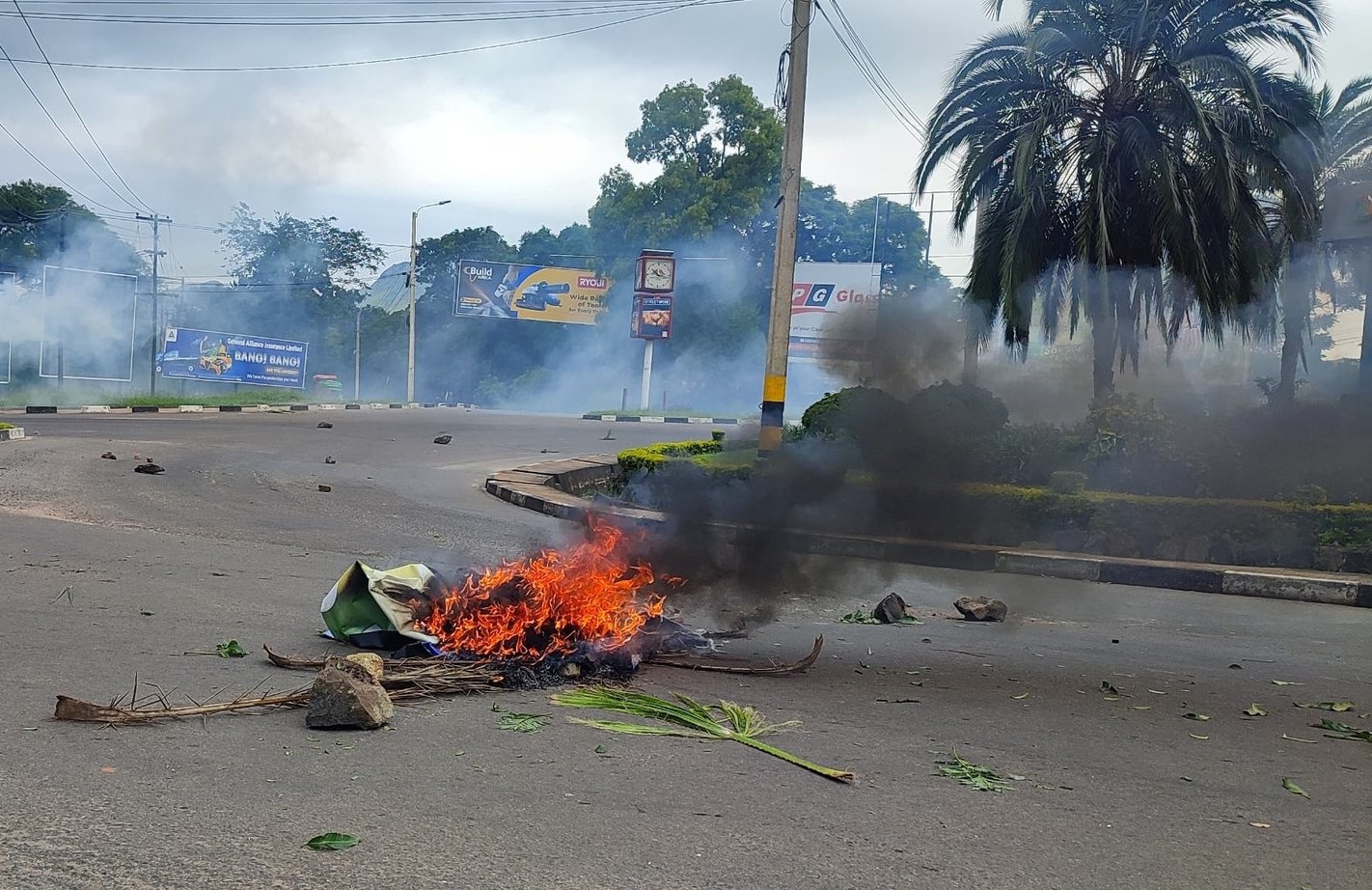
Two days ago, Street vendors from Blantyre and Limbe took to the streets, to demonstrate the economic conditions in Malawi. What followed quickly escalated into looting of shops, reflecting a deep-seated anger over soaring prices of second-hand clothing or “kaunjika” bales, and generally of declining living conditions in the country. Footage taken by observers showed Police firing teargas on the demonstrators, some of whom retaliated by throwing stones.
A few days before this, the former Trade Minister Sosten Gwengwe had suspended import licenses for importers of wholesale items like clothing bales, and asked importers to re-register for new licenses. The aim, it appears, was to curb the numbers of Asian and Chines traders, and address the effect of a weak kwacha, forex shortages and rising inflation. These factors are driving up the prices of imported bales, a lifeline for thousands of vendors in Malawi. Gwengwe had also said the government was rolling back prices of bales to the December 2024 levels immediately and promised that they would provide foreign currency at official rates to importers of essentials like second-hand clothes, maize flour, and chicken feed.
The protests, which were sparked by inflation and a weakening kwacha, turned ugly as some demonstrators looted shops, underscoring the depth of desperation felt by small-scale traders pushed to the edge. But this problem is not new. Vendors have for a while now been complaining that bale prices are too expensive, but it seems their grievances were largely ignored. In several interviews, some Vendors say prices are up tenfold since President Lazarus Chakwera assumed office.
In Ndirande, a densely populated locality of Blantyre city, other vendors also organised their own demonstration yesterday, February 28, signalling that the unrest was spreading further. They were joined by vendors from Bangwe, another locality, and their protest also had run-ins with the police – who fired teargas on them.

Last week in an address to Malawi’s parliament, President Lazarus Chakwera was defensive and claimed the opposition party was behind the demonstrations in Lilongwe. Various cabinet ministers have since defended the government’s forex management, insisting forex reserves are earmarked for essentials.
But the problems are unlikely to go away so easily.
In Malawi’s parliament yesterday, Finance minister Simplex Chithyola Banda announced several measures to address the crisis during his statement on the 2025-2026 Budget. He said VAT on bread, buns and confectionary goods, would be slashed, and announced the establishment of a specialist cancer hospital among other measures. He also blamed the black market trade in forex currency as exacerbating the problems of forex shortages, and said his ministry would shortly be changing the rules to ensure compliance with forex externalisation regulations. He said the government would ban all importation of commodities that can be manufactured in Malawi, and said the Constituency Development Fund (CDF) would be increased from K200 million to K220 million.
Since Malawi goes to the polls in September, it remains to be seen how effective many of these measures will be, and the extent to which they will ease the pressure which many Malawians are currently feeling.
 malawiace.com