
9 factors that helped Malawi’s economy under Kamuzu Banda
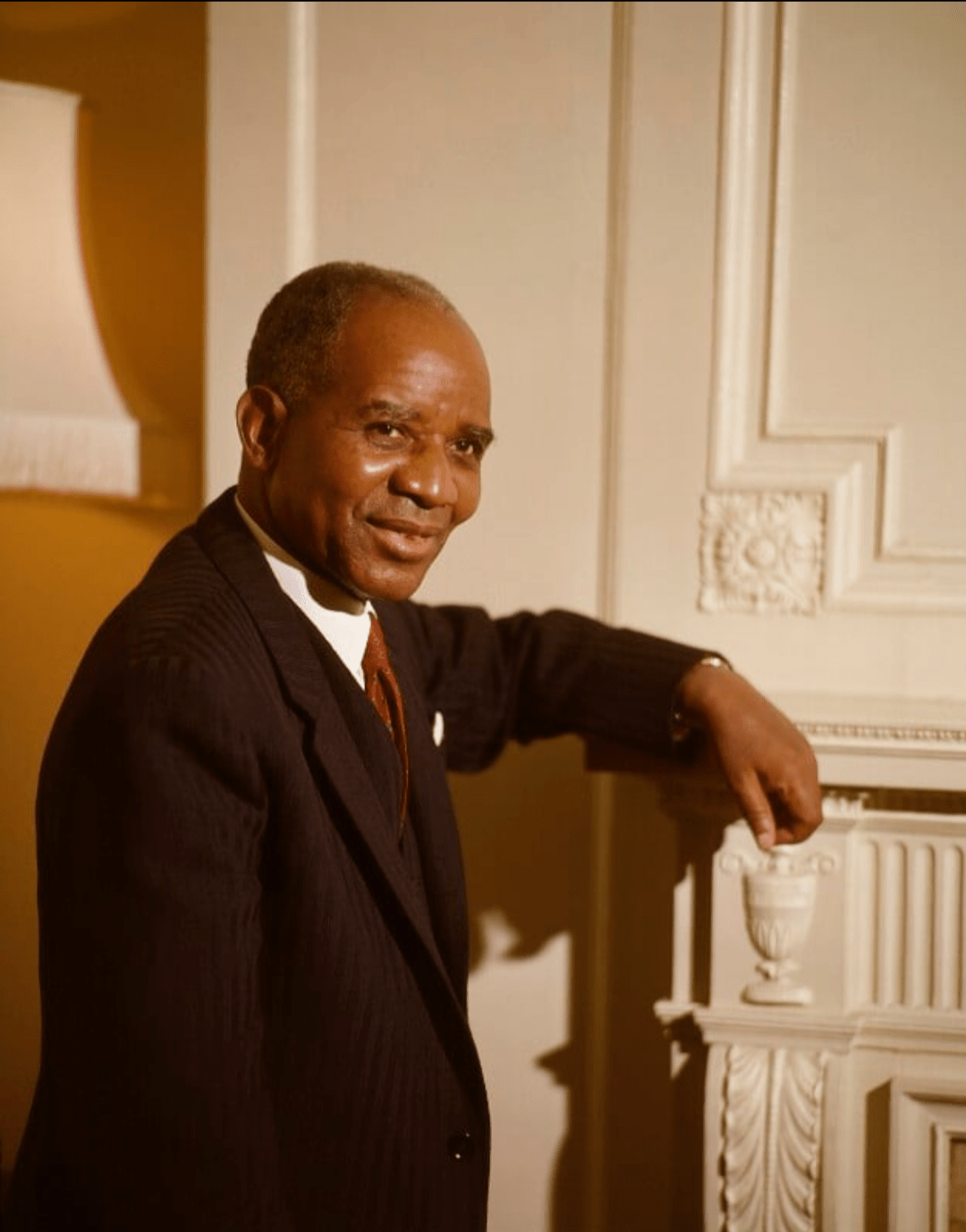
(1) As a country, we lived within our means. Fiscal indiscipline has been one of our greatest challenges. Of course it’s not easy to balance a country’s books, but in our case our economy has not been properly structured. And subsequent administrations have done too little to ensure we have a thriving economy in terms of actively building structures that support it. I say this because Economic Theories that place too much faith on private industry and the markets have been disproven to be bad for small countries (with relatively small private industry) like Malawi. What has been needed, for a long time, is for our government to take an active role in owning and managing large industry – something I’ve talked about so many times on here. But there’s been other examples of idiocy. For example, among the many perverse tax policies is this fiction: how does a country that does not produce oil, give duty free entry to importers of vehicles with 3litre engine capacities and above, without distinguishing between machinery, heavy goods vehicles, and luxury cars? It doesn’t make sense.
(2) The country exported more products to more places. Malawi’s exports are undervalued. And we don’t export enough products to enough places. Nevertheless, what we export is undervalued, which interestingly also makes a case for greater efforts for value addition.
(3) Tobacco exports were profitable back then. In today’s world, you can’t rely on tobacco exports as a country, when so many health ministries, so many countries are rightly doing everything to make selling of cigarettes not only expensive, but also unprofitable.
(4) We manufactured more of what we needed here in Malawi. And some of that manufacturing/ productive capacity was state owned. These days everything is imported. Even many products that can be feasibly manufactured locally, are being imported. Now, there have been some changes restricting importation of certain products, but they are not extensive in my view, and don’t go far enough.
(5) We were food secure: self reliance in terms of most of the food the country needs should be a priority. Right now, Malawi imports a disproportionate amount of food, in comparison to the value of what we produce or what we export.
(6) We had neighbours who were thriving, and who could sell us products at competitive prices. And it’s a fact that having prosperous neighbours helps your own country. Malawi no longer has the prosperity we previously benefitted from by having trade with Apartheid South Africa, a productive Zimbabwe and Kenneth Kaunda’s Zambia’s prosperity spilling over into our economy. To give you the scale of the decline, even the young men who used to cycle from rural Rumphi to Zambia, Tanzania and even the DRC to buy products, then return a few days later to sell the same in markets in northern Malawi, no longer see that trade as profitable as it once was.
(7) We had leaders who knew what governance was all about, and who made sure they ticked all the boxes that were required, or else risk the wrath of the Ngwazi. Today, there’s no real consequence for under-achieving or for lack of productivity in government. Even foreign missions do not appear to be as productive as they can be.
(8) Our ountry was safer. Security within our boarders can make or break a nation. I remember my mother telling me that when I was young, she could leave the keys in the car, and the doors to the house unlocked. Malawi was safe back then. You can’t do that now. So then, if our own people do not feel safe within their own country, how are we going to convince large numbers of foreigners (who have the wealth and capacity) to come and bring businesses into the country, to set up shop?
(9) We had a smaller population: What happened to the child spacing program? I’m asking because I honestly don’t know. All factors considered, our significant population growth, in the absence of shared prosperity is a challenge that leaves Malawi comparatively poorer. We need measures to either rapidly increase prosperity, or we need to control our population growth. A large population, however potent, without a plan for converting that human potential into “tangible” productivity, is not a valuable resource.
 malawiace.com