

So the 2025 Elections is behind us, and a new government is in waiting. The campaign fever, the partisan confidence and the bluster has subsided, and there is some optimism on the horizon. But the problems have not gone away, people are still suffering.
Malawi stands at a pivotal moment. Despite its mineral wealth, natural resources, good soil and plenty of sunlight. And although Malawians are some of the most resilient people, the country continues to grapple with persistent poverty, high unemployment, and an over-reliance on foreign aid. The country’s trade routes results in expensive goods, and there are costly intermediaries in trade. All this affects the prices of food, the prices of fertilizer, the prices of fuel, and the prices of cement, among other important commodities.
A newly released report, Short-term Strategies for Transforming Malawi’s Economy, offers a practical, actionable roadmap to break this cycle. Unlike theoretical analyses, this report focuses on tackling the low-hanging fruit – interventions that require modest initial investment but promise rapid, high-impact returns. From launching a Malawian-owned money transfer company, to establishing direct air freight corridors, finalizing the plans for the creation of a Sovereign Wealth Fund, and procuring equipment for organic fertilizer manufacturing in each district, the strategies are designed to increase food production, leverage technology for smarter farming, retain foreign exchange, create jobs, grow the economy, and shift economic control back into local hands. Over the last 5 years, it has been abundantly clear that the time for half-measures is over; what Malawi needs now is decisive action.
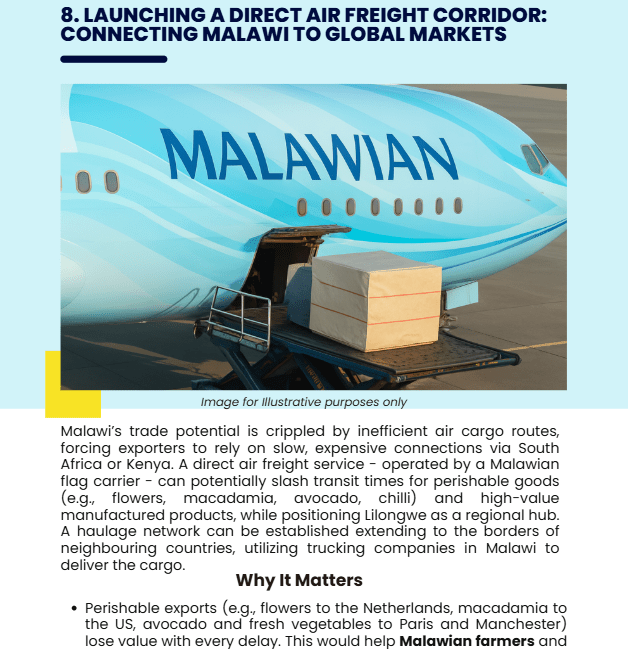
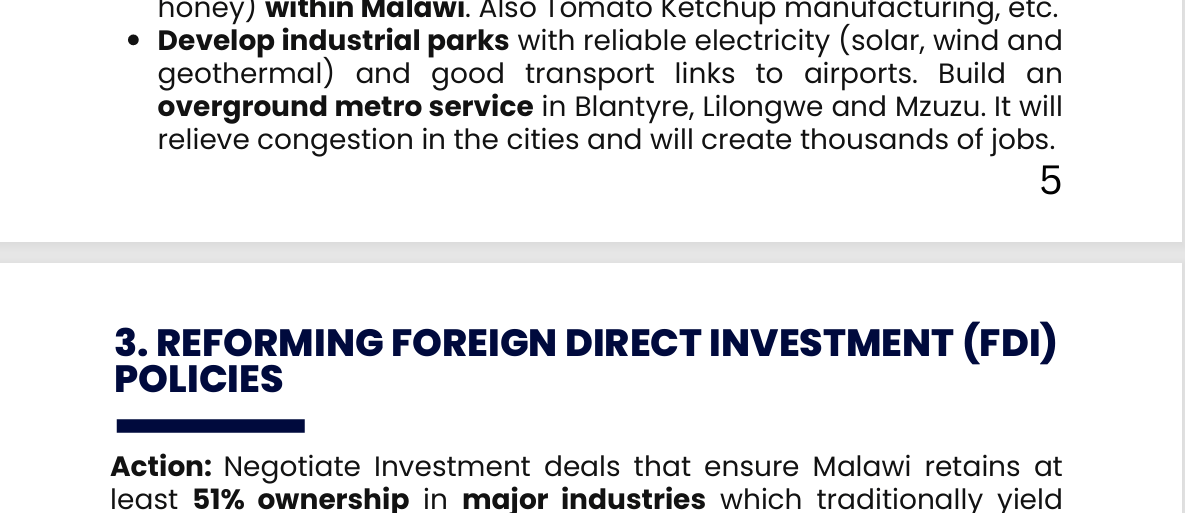

At the heart of the report is a call to reclaim Malawi’s economic sovereignty. For decades, the country has lost millions in transactions like remittance fees and in profit shifting by foreign companies. Malawi’s exports are delayed and degraded by inefficient trade routes, and it takes long to import anything because we do not have direct flight routes to important global markets. The country has watched as foreign investor after foreign investor reaped disproportionate returns on their investments into Malawian resources, and shortly after the investor left Malawi. And there exists no large Malawian entities in the biggest markets in the world to offset this trade imbalance with the outside world.
This is all happening as poverty and the cost of living gets worse.
The report’s solutions – such as a local money transfer platform to cut remittances fees and give an opportunity to the Malawian diaspora to invest in Malawi are not all new. It suggests a direct air freight service to several large and important markets to slash logistics costs on imports and exports; potentially by 8 – 25% – opening up Malawi to new markets. It suggests the adoption of health-tech Apps that use AI among other tech adoption moves; launching a Grant Scheme supported by top Universities across the world, to mentor and help 232 Malawians across the country each year to grow new businesses; and Scholarships to train Malawian Youths in Industrial Engineering in our neighbouring countries. These strategies are all not just about saving money. Instead, they are about keeping more of Malawi’s resources within Malawi. It’s about growing Malawi’s economy, and equipping young people with the knowledge and skills that they will need in a manufacturing economy.
By implementing these changes, the country can stabilize its foreign exchange reserves, boost export revenues, find new markets for its products, as well as creating thousands of jobs in sectors like manufacturing, logistics, fintech, health-tech and agribusiness. These are not distant dreams but achievable outcomes which can be achieved within the next three to five years. If there is concerted effort. And if the new leadership moves quickly.
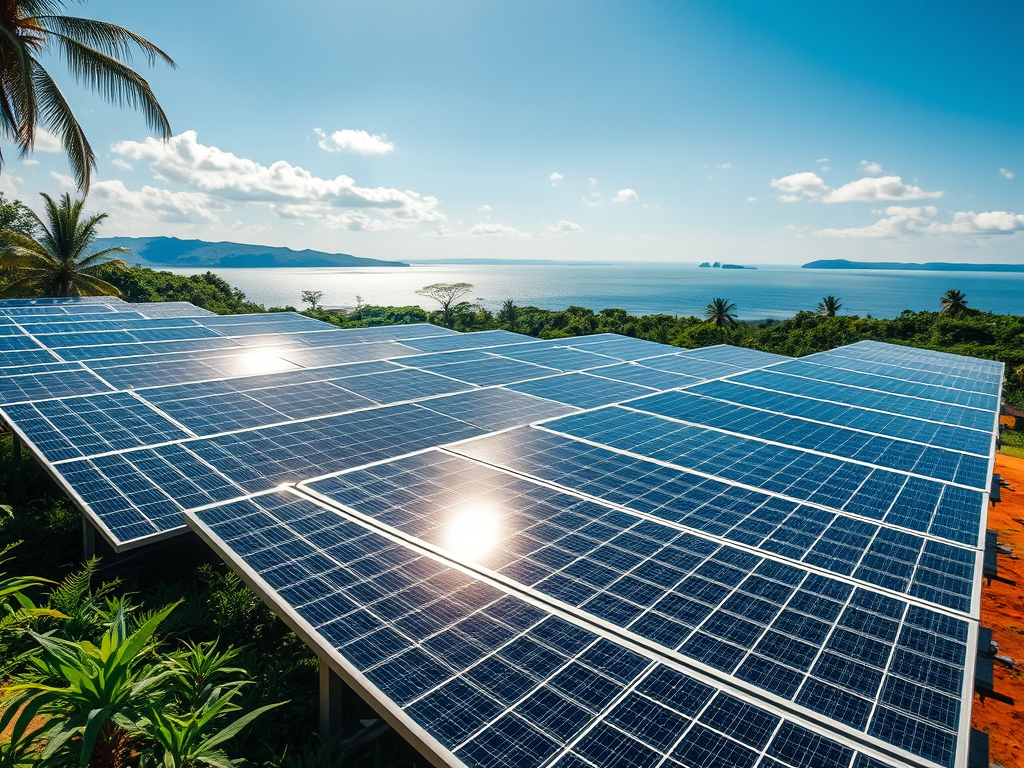
The report also underscores the importance of diversification and governance reforms. Malawi’s over-reliance on agriculture and aid has left its economy vulnerable to shocks, from climate disasters to global market fluctuations. By investing in light manufacturing, renewable energy, and transparent resource deals, Malawi can build a more resilient economic foundation. And raise the funds it needs to build the kind of infrastructure that is needed in a manufacturing economy.
Strengthening anti-corruption bodies and enforcing transparent procurement processes will further restore investor confidence and ensure public funds are used effectively. These measures are not optional; they are essential for creating an environment where businesses can thrive and citizens can trust their institutions, and the government of the day.
For Malawian leaders, the choice is clear: continue with the status quo or embrace bold, transformative change.The strategies detailed in this report are not merely theoretical concepts; they are proven, actionable measures that have successfully transformed the economies of other nations in the past.
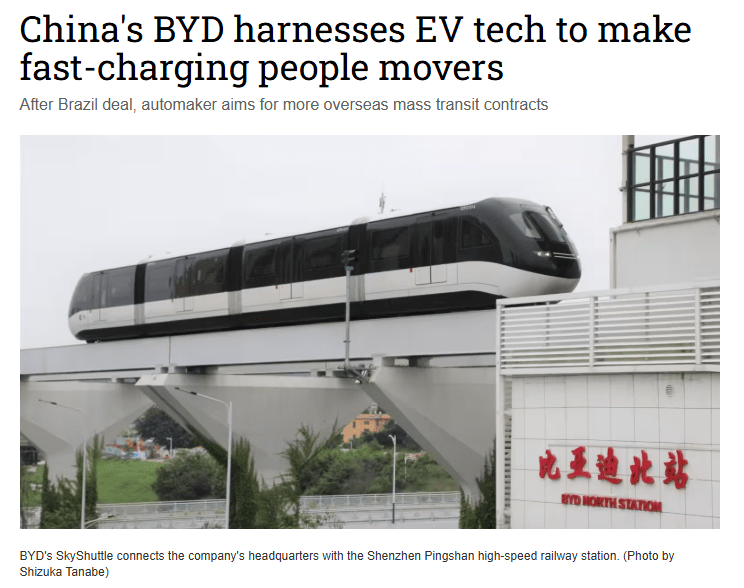
What sets this blueprint apart is its focus on immediate, high-impact actions that can be implemented without waiting for long-term structural reforms. Whether it’s retaining between $50million to $100 million annually in remittance fees and outflows, doubling export revenues through direct air freight, addressing traffic congestion in the cities with an overground rail network, or creating over 10,000 jobs in emerging sectors, the potential benefits are too significant to ignore.



Now is the time for Malawi’s leaders to step up and deliver. The country’s future depends on their willingness to act with urgency and vision. Already our neighbours are making incredible strides and progress, while our economy remains stagnant. This report provides the tools, approach and methods for moving things decisively forward. What is needed now is the political will to implement them.
By adopting these high-impact strategies, Malawi will begin to move from a narrative of potential to one of prosperity, self-reliance, and global competitiveness. The question is no longer what needs to be done – it’s when we will start. The answer must be now.
 malawiace.com