
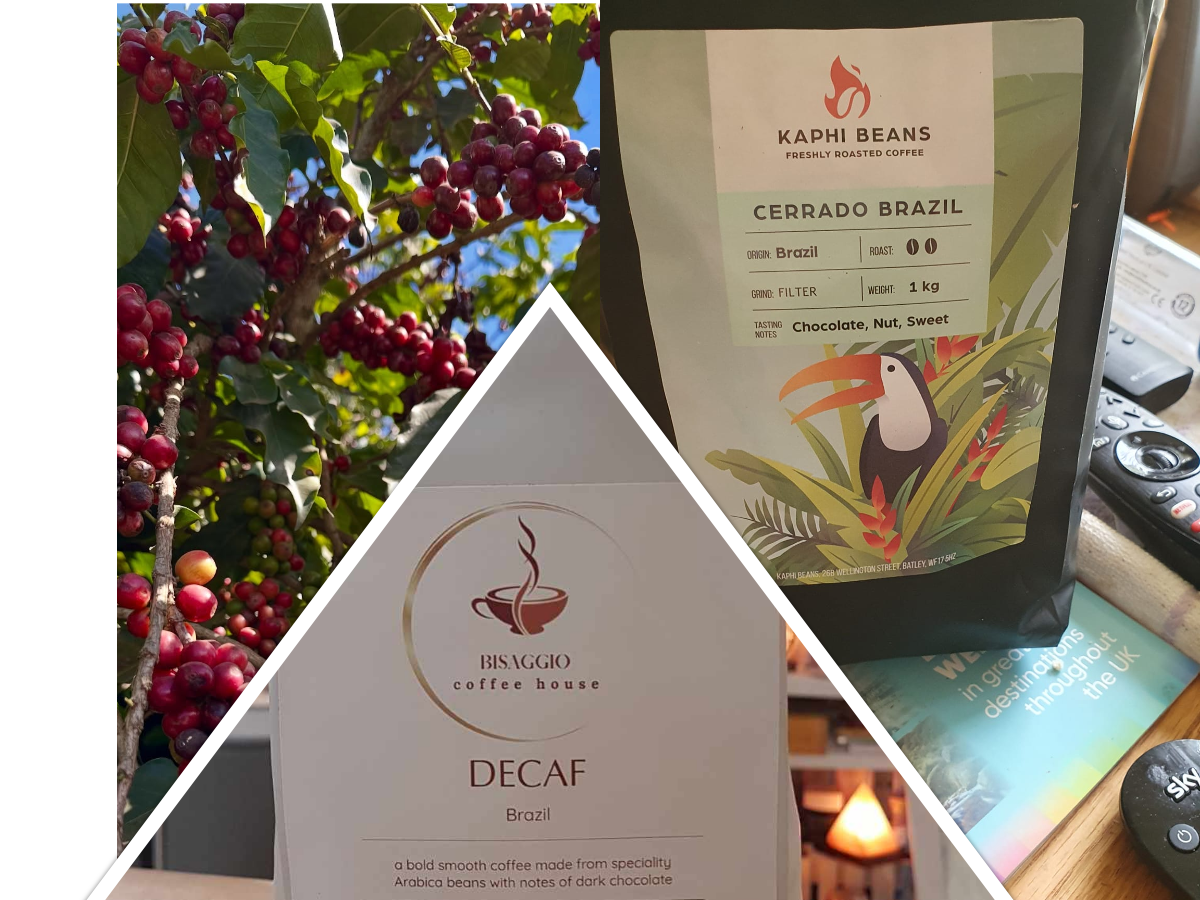
Every Cloud has a silver lining. So what if Trump’s Tariffs inadvertently benefitted trade between Malawi and Brazil?
I specialise in spotting opportunities where others see problems. And sometimes, opportunities lie in the most unlikely of places. And so, what if the United States’ decision to impose a 50% tariff on Brazilian imports, effective from 6th August 2025, has the potential to benefit global trade dynamics between South America and African countries?
The policy, announced by U.S. President Donald Trump yesterday, targets key Brazilian exports such as oil, coffee, and beef, prompting Brazil to seek alternative markets in Europe and Asia. Brazil has also petitioned the World Trade Organisation for consultations to help alleviate the steep tariffs imposed on Brazil by the United States.
For discerning countries, this economic shift may present an unusual opportunity to strengthen trade ties with Brazil by addressing its import needs and filling supply gaps that the tariffs create. By leveraging its agricultural strengths and enhancing trade competitiveness, Malawi can deepen economic cooperation with Brazil, reducing its trade deficit, and diversifying its export base.
Brazil’s Import Needs
https://www.facebook.com/share/r/19tTybA6D4
Brazil’s economy relies heavily on imported goods to support its industrial and consumer markets. In 2024, Brazil’s total imports reached US$116.09 billion, with key categories including refined petroleum, machinery, fertilizers, and medicaments. However, disruptions caused by U.S. tariffs have created shortages in specific sectors, notably agricultural products and raw materials. Brazil has increased its imports of soybeans, beef, and fertilizers from alternative suppliers to offset reduced U.S. trade. Additionally, Brazil seeks to diversify its import sources for products like sugar, tea, and edible oils, which are in high demand due to domestic consumption and industrial processing needs.
Here, it’s clear to see why Malawi, with its predominantly agricultural economy, may be well-positioned to meet these demands.
Malawi’s Export Potential
Malawi’s economy is predominantly agricultural, with tobacco, tea, and sugar constituting major exports. In June 2025, Malawi’s exports to Brazil totaled a measly US$82,600, primarily raw tobacco, while imports from Brazil reached US$236,000, including poultry meat and hand tools. But Malawi produces a lot more that it can export to Brazil. So, to capitalise on Brazil’s needs, Malawi can significantly expand its export portfolio as follows:
Traditional Exports: Increase shipments of raw cane sugar, black tea, and groundnuts, which align with Brazil’s demand for agricultural commodities. For instance, Brazil’s food processing industry requires substantial sugar and tea imports, which Malawi can easily supply. In fact wasn’t it a couple of days ago, when Illovo Sugar published a notice seeking additional sugar resellers, as reported by Nyasa Times here.
Nuts, Legumes & Fruits: Introduce new agricultural exports such as cashew nuts, cocoa beans, and bananas. Brazil’s growing confectionery and snack food sectors create demand for cocoa and nuts, while bananas are a staple in its consumer market. To this effect, most people don’t know that Brazil has a shortage of cocoa, due in part to witches’ broom disease.
Value-Added Goods: Invest in processing raw materials into higher-value products like sunflower oil and soybean oil. Brazil’s biofuel and food industries rely on edible oils, and Malawi’s agricultural base can support small-scale processing plants within Malawi to meet this potential demand. In any case, for biofuels, if you can’t export them, you can always use them in your own industry, so whichever way, it will be a win for us.
Strengthening Trade Ties
To enhance its trade competitiveness, Malawi must pursue and adopt a number of deliberate and carefully designed strategies:
Market Analysis: This is where it should start in that Malawi needs to conduct in-depth studies of Brazilian market preferences, focusing on quality standards and pricing. Understanding consumer trends will help tailor Malawi’s exports to Brazil’s needs. This will also involve sending a small official trade team including agricultural specialists to investigate what products Brazil needs, which parties to transact with, and how to engage new potential partners. The Malawi High Commission in Brasilia may help organise such a trip.
Value Chain Development: Invest in local infrastructure to process raw materials into finished goods, such as oils or packaged tea, to increase export value and reduce reliance on raw commodities.
Policy Support: Implement government policies that incentivizes agricultural innovation and streamlines export procedures. This includes subsidies for farmers diversifying into cashew nuts or cocoa and simplifying customs processes to facilitate exports to Brazil.
Leveraging Trade Agreements
The Investment Cooperation and Facilitation Agreement (ICFA) between Malawi and Brazil provides a framework for boosting bilateral trade and investment. This agreement can be leveraged to negotiate preferential tariffs or quotas for Malawi’s agricultural exports, particularly in light of Brazil’s need to diversify its import sources. Additionally, Malawi’s membership in the Southern African Development Community (SADC) and the African Continental Free Trade Area (AfCFTA) enhances its ability to position itself as a reliable trading partner. Strengthening diplomatic and commercial ties through trade missions and business forums will further solidify this partnership.
Challenges and Opportunities
While opportunities abound, Malawi faces challenges in scaling its exports. Foreign exchange shortages, as seen in 2022, have previously constrained Malawi’s import capacity, potentially limiting investments in export infrastructure. Additionally, Brazil’s health and quality standards will underscore the need for Malawi to ensure compliance with international regulations. However, the U.S. tariffs on Brazil create a window for countries like Malawi to capture market share by offering competitive pricing and reliable supply. By focusing on high-demand products like sugar, tea, and edible oils, Malawi can address Brazil’s supply gaps while fostering it’s own economic growth.
In conclusion, the U.S. tariffs on Brazilian imports may have opened an unusual trade opportunity for African countries, including in the SADC region to enhance their trade ties with Brazil. By diversifying our export portfolio, investing in value-added processing, and leveraging existing trade agreements, Malawi can take advantage of this rare opening and start to plug the deficits in Brazil’s demand for agricultural commodities and processed goods. Through targeted market analysis, policy support, and adherence to quality standards, Malawi can strengthen its economic ties with Brazil, reducing its trade deficit, and establish itself as a key player in South-South trade cooperation.
This potential partnership, if acted upon, not only promises economic benefits but also aligns with Malawi’s broader goal of sustainable development through agricultural innovation, as well us reducing our reliance on Tobacco as an export crop.
//Post Image Thumbnail by ChatGPT//

