
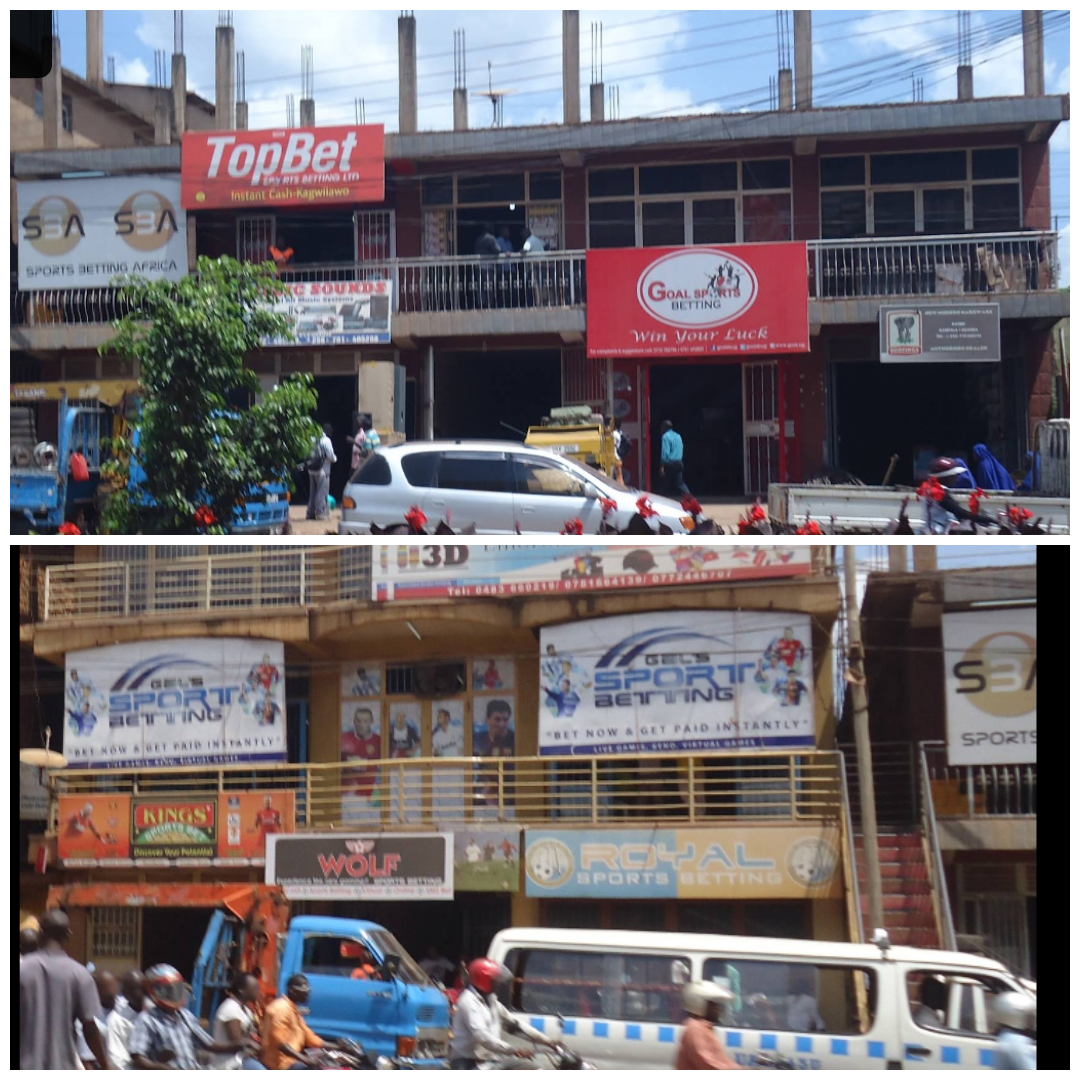
Not too long ago in downtown Kampala, in an area known as Katwe, an incomplete multi-floored building that at the time had two-floors stood with quite a few tenants whose businesses had the word ‘betting’ in their name.
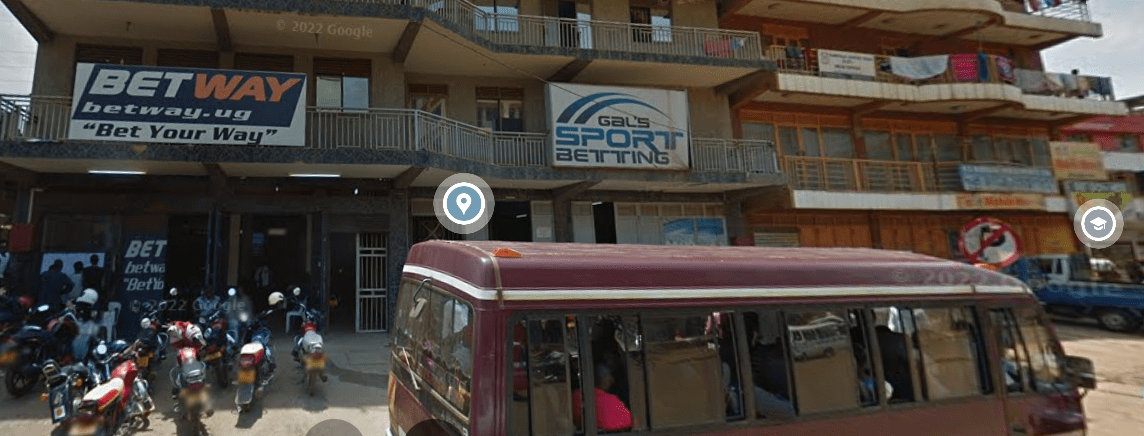
One of those shops on the ground floor was called Goal Sports Betting. Upstairs, there were two more betting shops, one called TopBet Sports Betting, and the one next to it, SBA Sports Betting Africa. In the building next door, also equally unassuming and rundown, the tenants included Royal Sports Betting, Wolf Sports Betting and Kings Sports Bet. Upstairs this second decrepit building, there was Gal’s Sports Betting.
Such was the pervasiveness of betting shops in this part of Kampala that it seemed like wherever you looked, among the hawkers selling airtime, groceries selling tobacco and food stores selling orange juice, there was a betting shop of some kind.
And all this, happening within a mile of central Kampala, was not accidental, because African youths, not just in Uganda, are neck deep in betting.
Over the years, Africa’s digital landscape has undergone a significant transformation with the rapid expansion of mobile money and smartphone penetration. This shift has enabled digital service providers including online betting platforms to tap into the growing digital infrastructure, finding a lucrative market among the continent’s youth by promising a get-rich quick path to wealth. As internet accessibility increases, the African betting market is becoming one of the fastest-growing globally, driven by a young, tech-savvy population, and aggressive marketing. However, the largely unregulated nature of online betting is leading to a surge in addiction among young Africans, with severe consequences for families and communities.
How big is the Problem?
The primary demographic targeted by online betting in Africa is young adults aged 18-35, with men making up the majority of problem gamblers. Popular betting formats include sports betting, casino games, and lottery-style games, all of which are now easily accessible through mobile platforms. And for those without a smart-phone, the betting shops offer access to this world of potential wins.
Case studies from markets like Uganda, Kenya, Nigeria, Ghana, and South Africa reveal the scale of the issue. In Kenya, for example, betting has become a cultural phenomenon, with many young people viewing it as a quick way to make money. More young people take risks and divert funds that are supposed to be for basic needs. But it’s not just young people
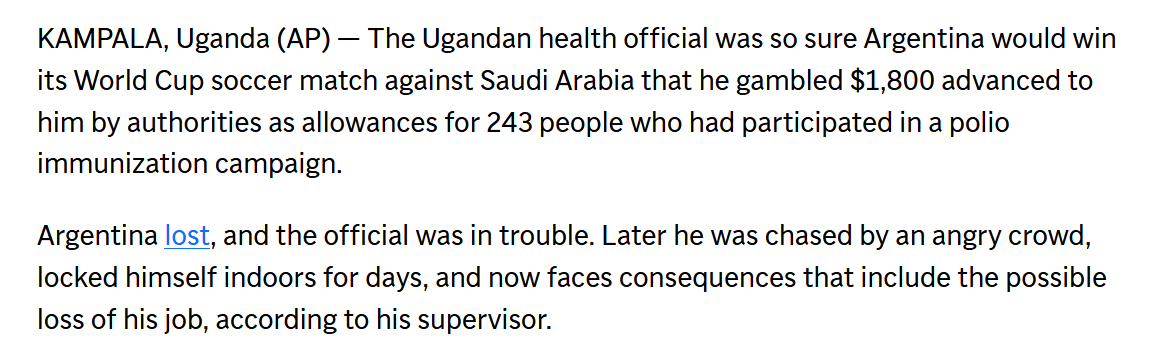
Looking at the data, the gambling market in Kenya is projected to reach US$831 million by 2025. As of 2025, 79% of Kenyan youth reported placing bets, down from 82.8% in 2024. Uganda’s gaming revenue reached US$90.2 million in 2024/25, with total wagers of US$2.24 billion. Tax revenue from betting tripled to Shs 75 billion, with non-tax revenue increasing eight-fold to US$2.46 million. Meanwhile Tanzania’s online sports betting revenue is expected to hit US$9.8 million in 2025. Revenue in the sports betting market as a whole is projected to reach US$72.41 million in 2025, with a projected market volume of US$86.35 million by 2029. Mozambique’s gambling sector has seen a 29% increase in tax revenue to US$7.8 million in 2025, driven by casinos and regulatory updates. Zambia and Malawi are also seeing growth in sports betting. Malawi’s gambling sector was valued at US$2.6 million in 2020, and according to the the Malawi Gaming and Lotteries Authority (MAGLA) the gambling industry is generating at least US$6.9 million annually, with K4.5 billion channeled directly to the government. Finally, South Africa’s gambling market is the largest in Africa, valued at US$2.5 billion in 2022, with significant contributions from casinos, sports betting, and online gambling.
So as you can see, a lot of money is flowing in this industry, and the tax revenues are probably the reasons some countries are shy of cracking down hard on the sector. Also, limitations like potential under-reporting of illegal gambling and the complexity of tracking cash transactions placed in person could affect absolute accuracy of these figures.
A key factor exacerbating the betting epidemic is the lack of comprehensive gambling legislation in most African countries. Often these sectors don’t have enough oversight.
So foreign operators take advantage of the regulatory loopholes. They do this by employing aggressive marketing strategies aimed at young people through social media and mobile platforms. Additionally, winners frequently showcase their successful bets on social media, which fuels a desire among their peers to participate in betting as well.


The absence of robust consumer protection measures, limited age verification, and few responsible gambling tools allows betting companies to operate with minimal oversight, leading to widespread addiction and financial ruin. But there’s more to the story in that marketing tactics including Betting companies enlisting African stars like famous footballers as brand ambassadors, also helps to normalise betting; making it seem as if it’s just another habit, and not the potentially addictive and harmful gambling habit that it is.
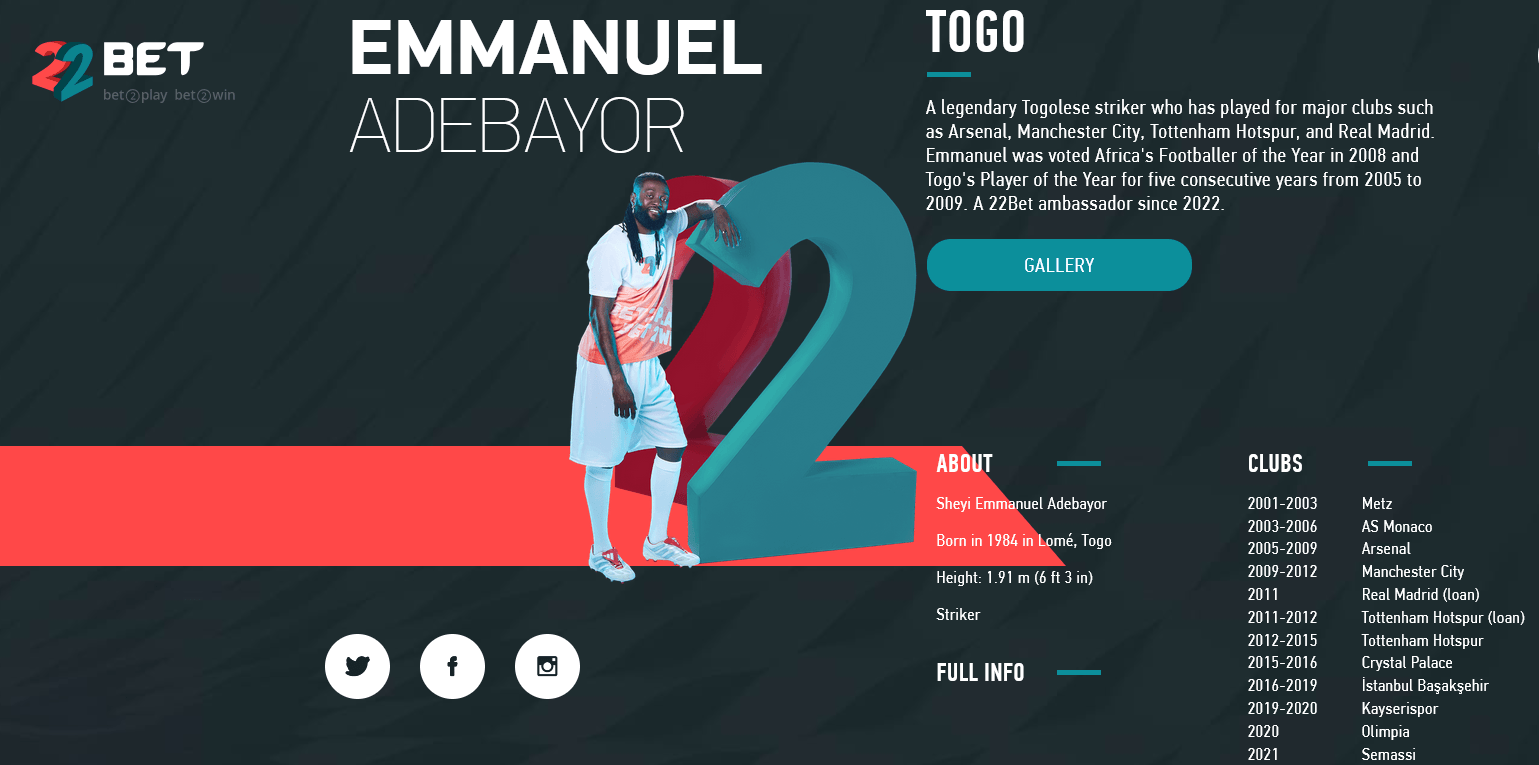
Similarly, partnerships with influencers and musicians through sponsorship also helps them attract more customers.

Human Cost: Personal Stories
The human cost of the betting epidemic should not be underestimated. Personal testimonies from young gamblers and their families highlight the devastating impact on marriages and relationships. Children suffer from reduced household income, poor nutrition, and limited access to education because of money lost to gambling. The social stigma linked with gambling addiction often leads to family breakdowns. The mental health consequences are severe, with many young gamblers (including under-age gamblers) experiencing depression, anxiety, and suicidal thoughts. In fact, according to this research paper, there’s been at least one suicide in Malawi linked to gambling.
But what are African Governments doing?
Governments across Africa have attempted to address the betting crisis, but their responses have often been inadequate. Examples include Ethiopia’s recent gambling restrictions and advertising bans, Kenya’s taxation approach and licensing requirements, Nigeria’s regulatory attempts, and Uganda’s intermittent bans and policy reversals. However, these measures are often hindered by enforcement challenges and corruption.
The betting epidemic must be understood within the context of high youth unemployment rates across Africa. Many young people view betting as a perceived “quick fix” to economic hardship, driven by cultural factors such as notions of masculinity and risk-taking. Poverty is a significant driver of gambling addiction, as betting companies exploit economic desperation.
So, what can be done to tackle the problem?
To address the betting epidemic, various institution and the government must come together with communities to take measures such as the following:
Across Africa, Governments should:
- Implement comprehensive regulatory frameworks with strict licensing requirements and regulatory oversight.
- Mandate responsible gambling features on all betting platforms, such as self-exclusion options and spending limits.
- Impose high taxes on betting companies to reduce industry profitability and fund public awareness campaigns.
- Establish accessible treatment and rehabilitation programs for gambling addicts.
Similarly, communities should provide financial literacy education programs to help young people make informed financial decisions. This also means having enough alternative income-generating opportunities for young people. Now, I appreciate that this is easier said than done. But you have to understand that a large majority of young people are going into this habit because of the lack of opportunity and not having money. So what should be done is create healthy avenues for young people to make money. It also means developing easy to access community-based support systems run by professionals whose job it is to help those affected (both addicts and family members).
For Families, the interventions may be a bit harder because if a partner or child is engaging in this behaviour, getting them to discuss it or open up may not always be easy or straightforward. Thus, together with the community and government, early intervention mechanisms to identify and begin to address gambling addiction must be established. This may involve attending a family counseling service to support a loved one on their path to recovery, as well as establishing income protection mechanisms of some sort to safeguard household incomes or finances.
Betting as a problem is not only an African phenomenon. Even developed countries have at times struggled with this issue. Thus, a coordinated continental response may be the way ahead. The goal would be to bring the issue to the top of the agenda of continental issues. Protecting vulnerable families and children is obviously a priority. So efforts focused on creating a future where young Africans channel their energy into productive economic activities rather than gambling, shouldn’t be hard to bring to the top of national agendas.
 malawiace.com
nice
LikeLike