

I’ve probably said this a thousand times, and I’ll say it again; one of the biggest challenges we have in Malawi right now is the small industrial base. We simply don’t have enough industry. If you don’t believe me, look at the number of companies on the Malawi Stock Exchange(MSE). And their value. And compare with the companies on Nairobi Stock Exchange(NSE), for example. And their value. It’s pitiful.
So, while I understand the reasons why the government of Malawi is now borrowing money to buy fuel in light of the fuel shortages that have been compounded by the war in Iran, such measures are merely temporary and cannot solve the myriad of economic challenges the country faces.
What Malawi needs are factories to manufacture goods that our people consume or use on a regular basis. That’s our primary route to growing the industrial base. I cannot over-emphasize how important it is that we begin to manufacture some of the goods that we are currently importing.
In addition, we must take a good look at our neighbours to find out what they import, what goods are most in demand which their citizens consume or use; what do they need on a regular basis which their domestic markets currently cannot satisfy? What categories of good do they import in large volumes which, with some moderate levels of investment, we can start manufacturing and supplying. I’m referring to goods that our neighbouring countries need or are currently importing from abroad. That’ll be quite a list, but it’s one of only a few sustainable ways out of this current financial malaise.
Now, I’m not talking about heavy industry that requires capitalisation of $5 Billion to $10 Billion, no. That would be great but that’s not what I’m talking about. I’m talking about beginning to establish industries that require much less capital(~$5 million to $100 million bracket).
For example, Malawi probably has thousands of artisans and woodworking professionals who make furniture; everything from sofas, kitchens, beds to doors, and … coffins.
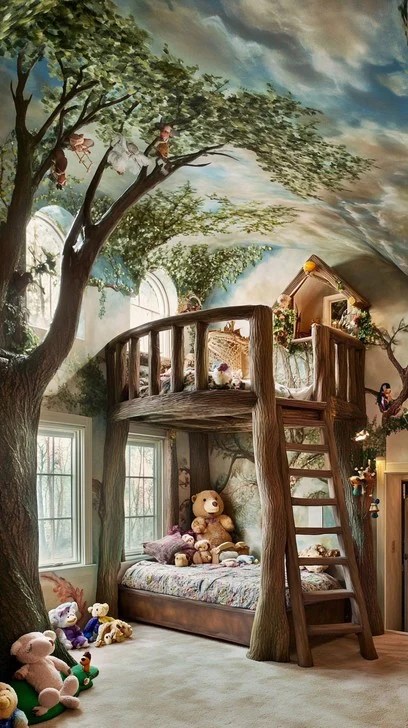
So what’s the financial commitment that would be required to, for example establish a factory that manufacturers and exports specialist bunk beds, beds with storage, or unusual beds that can be sold at high value for export. The raw materials including wood, fabric and foam are there. The technical skills and human capital is also available. And the customers too exists.
I think one could set up a factory to make such articles , just 5 or 6 lines of products with less than $5 million. And if done right, it would be profitable within 3 years. It would give jobs to hundreds of young men and women. And would help refine skills in the sector. It would also bring in another income stream into the governments tax coffers.
I can say pretty much the same thing about cleaning chemicals. Or building materials.
But instead , you’ll hear that the government is about to raise some tax…anthuni, raising taxes on an already overburdened tax base won’t fix Malawi’s problems. Borrowing too won’t cut it. And this fiction that if we somehow bring in much of the informal economy into the tax regime, our economic problems would be solved, is a fantasy that’s completely impractical. Think about it, even wealthy countries have not been successful in bringing into their formal economies, all parts of their informal economies…
There are other ways of growing our economy. We’re just not serious enough to pursue them. And that is another of our biggest problems.
 malawiace.com