
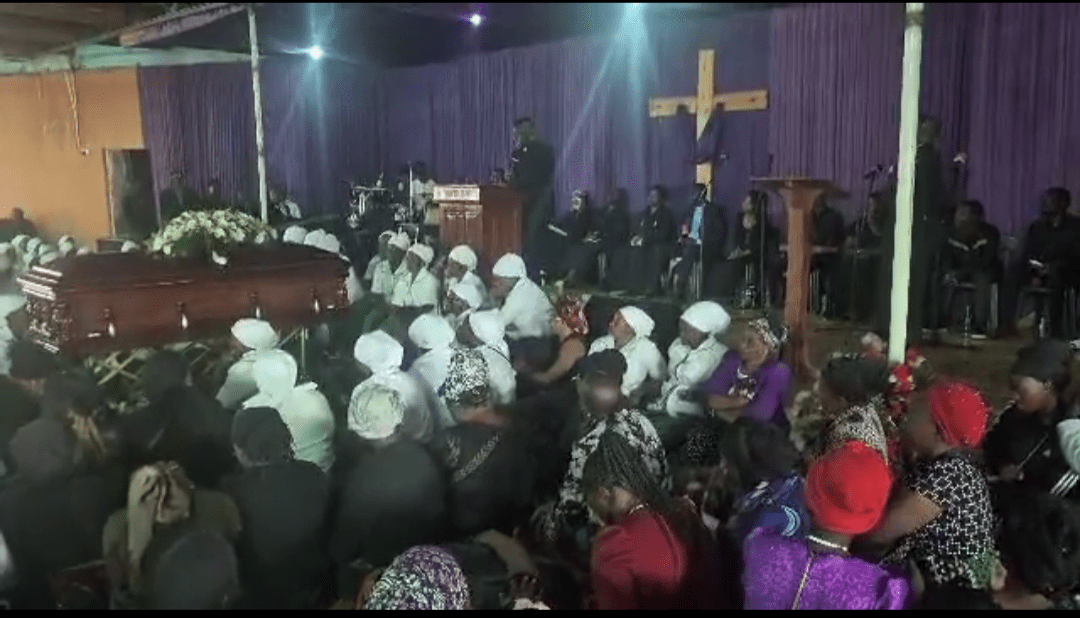
The sudden passing of Brian Banda has left Malawi’s media landscape quieter and poorer. At forty six, after only a few months as Director General of the Malawi Broadcasting Corporation, he was gone following a short illness. Yet the measure of a life is not its length but the depth of its impact. Banda’s career offers young journalists a living blueprint of what purposeful, courageous and powerful journalism can achieve.
He first made his name at Capital Radio with the programme Straight Talk, where his probing questions and calm insistence on answers quickly marked him out. Politicians learned that an invitation from Banda meant preparation was essential. Later, at the Times Group, he co hosted Hot Current and other current affairs programmes that became national talking points. Viewers and listeners trusted him because he combined sharp scrutiny with genuine warmth. He could unsettle the powerful without ever seeming petty, disagreeing with them firmly and even challenging mistruths with “that’s not true” on live television – something which many journalists in Malawi didn’t usually do when speaking to government ministers or powerful politicians. Colleagues and former guests still recall how he extracted clarity from evasive figures while remaining cheerful and professional.
His path was never confined to the studio. He served as press officer to former President Joyce Banda and later as Presidential Press Secretary under Lazarus Chakwera. These roles showed that journalism and public service need not be opposing forces when integrity is the common foundation. In March 2026 he returned to the public broadcaster as its Director General, determined to restore and modernise an institution that carries the nation’s voice. That chapter sadly was cut short, yet even in those brief months he demonstrated the same energy and vision that defined his earlier work.
What endures is not simply a list of programmes or titles. Banda proved that a journalist can rise through talent, discipline and an unwavering commitment to the public interest. He showed that fearless questioning is compatible with respect, that professionalism can earn the confidence of successive governments without surrendering independence, and that a cheerful disposition can coexist with rigorous accountability. In interviews he would cite facts, for example about cases that went unprosecuted at the ACB. MISA Malawi rightly noted that he left a lasting mark through his distinctive interviewing style and his example of hard work from modest beginnings.
To the younger generation today, who are now entering newsrooms and studios across Malawi, Brian Banda’s life speaks with quiet urgency. Wait for your moment, but prepare for it every day. Ask the difficult questions without malice. Protect the independence of the craft even when power invites compromise. Challenge lies. Remember that the microphone is a public trust, not a personal platform. And don’t take matters personally. His legacy is an invitation: to pursue excellence without apology, to hold power to account without arrogance, and to serve the audience with both courage and humanity.
Nine years ago his interview with Ken Msonda on Times Radio became the stuff of legend, a session that left the politician defensive, flustered and ultimately turning the tables in a performance many still call a trainwreck of an interview. Equally memorable was his firm encounters with Nicholas Dausi on Times Exclusive, where the minister grew extremely defensive and cagey under relentless yet good humoured pressure, and where we were entertained by bombastic words like “malafide” from Dausi. Whether facing a president, probing a business man or attempting to corner a slippery politician, Brian Banda never softened his approach. He pressed for truth with skill and composure that turned ordinary interviews into national talking points and left audiences both informed, and thoroughly entertained. The more devious the character that was being interviewed, the funnier, animated and more contentious the interview would be. Often it was pure drama. And Malawians loved it
Brian Banda’s voice is now silent, yet the standard he set will continues to call. The best tribute young journalists can offer is not mourning alone, but work and energy that matches the integrity and skill he brought to every interview and every role he accepted. In that way his influence lives on, stronger than any single career could ever be.
Rest in Peace achimwene. You made a lasting impact that will be felt for many years to come.

