
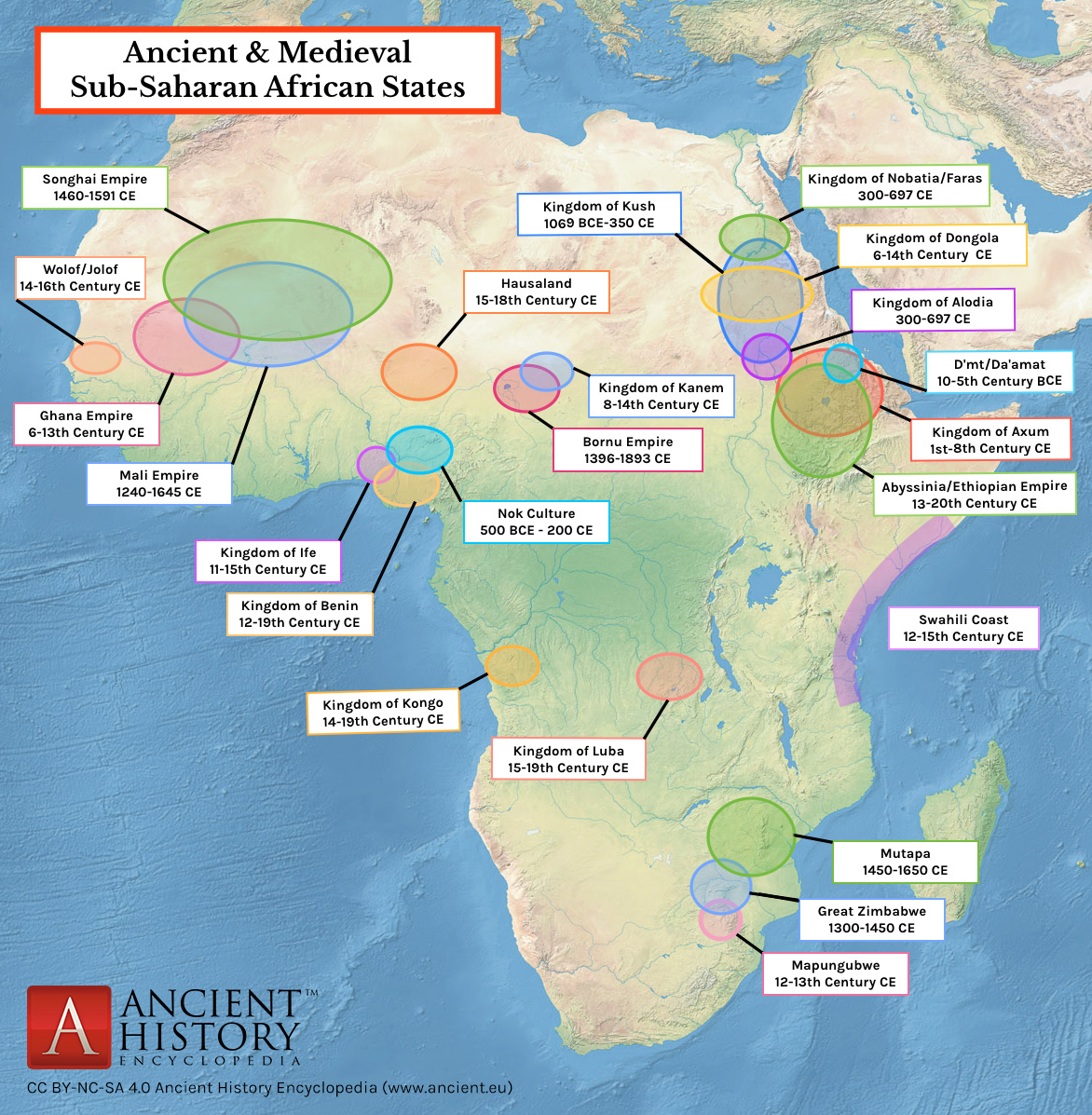
It’s all good intentioned that there are many on the African continent talking about African unity, in light of the violence against foreigners taking place in South Africa. Many Africans agree with these sentiments of oneness and unity.
But from where I stand, the obstacles against African unity are at least four-fold:
1. Ignorance of the History of Africa
Many Africans, possibly even the majority are ignorant of this history of the Berlin Conference and all the effects that has had. They are ignorant about the history of Africa. Our curriculums in most parts of the continent are still the curricula which the colonial masters established. And until we change those curricula, we’re not educating our children for a life that addresses the challenges of our countries.
Those people marauding the streets in South Africa looking for foreigners, how many of them can articulate to you what happened at the Berlin Conference. Or even key aspects of the Boer Wars?.
So, may I humbly suggest that the first step should be to educate Africans about what happened at Berlin, and in general about our “histories”(there isn’t one African history).
2. His Excellency Professor Dr Sir
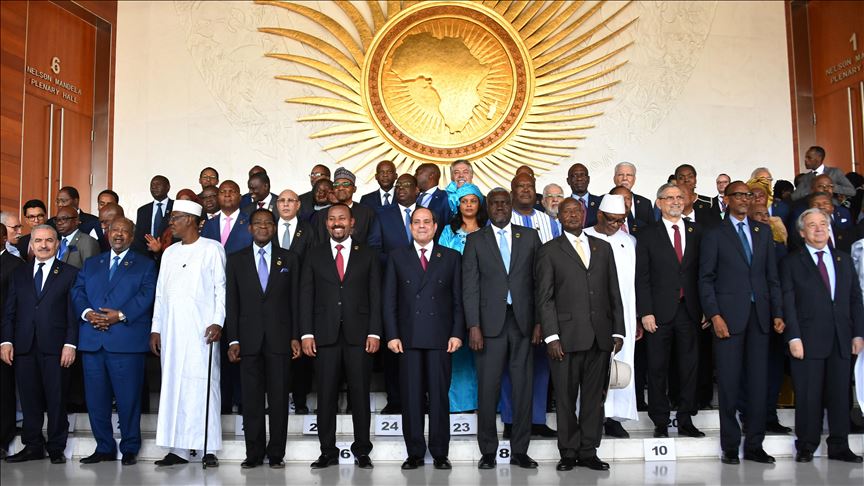
Many Africans (including many of the current political elite across Africa) do not want African unity – for various reasons including prestige reasons. Here, it must be said that in the minds of these people being known as President of Zimbabwe ,for example, is an infinitely more prestigious title than being known as “Governor” of the DRC. So, that mindset needs shifting. I don’t know how you do that.
Similarly, in any democratic government on the continent, you can’t just impose unity with a neighbouring country on the populace. Simply put, Hakaimde Hichilema, Emmerson Mnangagwa, Arthur Peter Mutharika and Daniel Chapo cannot just meet up somewhere, agree to some alliance and then thereafter declare to their populaces that their countries are uniting into one country.
As much as such would be a commendable step towards African unity – with a long list of benefits for the region, there exists four constitutions to interpret and contend with, four parliaments to consult – who would need to vote on the amendments to their respective sovereignties, and four populaces that would each require a free and fair referendum. To say such a development would be an incredible feat is an understatement. And to even say securing four referanda for unification in Zimbabwe, Zambia, Mozambique and Malaw is achievable, in the current climate, is over-ambitious if not naive.
Give them 75 years, maybe then the general pool of politicians across Southern Africa would have matured significantly for unity to be a top priority.
3. Not all African countries are equal (in the same way)
It’s a fact that there has been disproportionate development (therefore disproportionate levels of security) across the continent since the 1950s and 1960s. There are several reasons for that, which I’ll not discuss as they’re beyond the scope of this article. The “winners” like Morocco, Botswana, Rwanda, South Africa and the likes of Egypt would be unwilling to “sacrifice” those economic “gains”, on the “altar” of African unity, even for countries where the foundation of economic development was built by colonial masters (& their successors) as is the case with South Africa.
Let’s face it, Paul Kagame will not readily agree to share Rwanda’s prosperity with Burundi to the south or Uganda to the north, even if Rwandans would benefit infinitely from being a part of the DRC and Tanzania.
Similarly, Egypt receives millions of dollars of US Aid for their military. For the fiscal year 2025, the US. has reported $160.1 million in obligated aid to Egypt according to USAFacts and official US. Foreign Assistance records. But US. aid to Egypt is historically dominated by about US$1.3 billion annually in military funding (through Foreign Military Financing), so the $160.1 million is money that goes toward areas like education partnerships, agricultural resilience, private sector competitiveness, governance automation, and water/food/power infrastructure.
How many other African countries are receiving this level of support annually?
My point is regional politics, and external incentives would need some sort of resolution or standardisation in the Constitution of a United States of Africa and critically, some countries won’t agree to that in light of the economic benefits they currently receive from countries like the US, until a time when being outside of the new Union becomes less profitable than being inside the new Union.
Here, it’s notable that similar effects have been observed with respect to the EEC (the predecessor to the European Union) – when Britain for example only joined the EEC 15 or 16 years after it’s initial founding, at a time when being part of the EEC had greater benefits for Britain than being outside it.
4. No one thinks of marrying a bride when their house is on fire
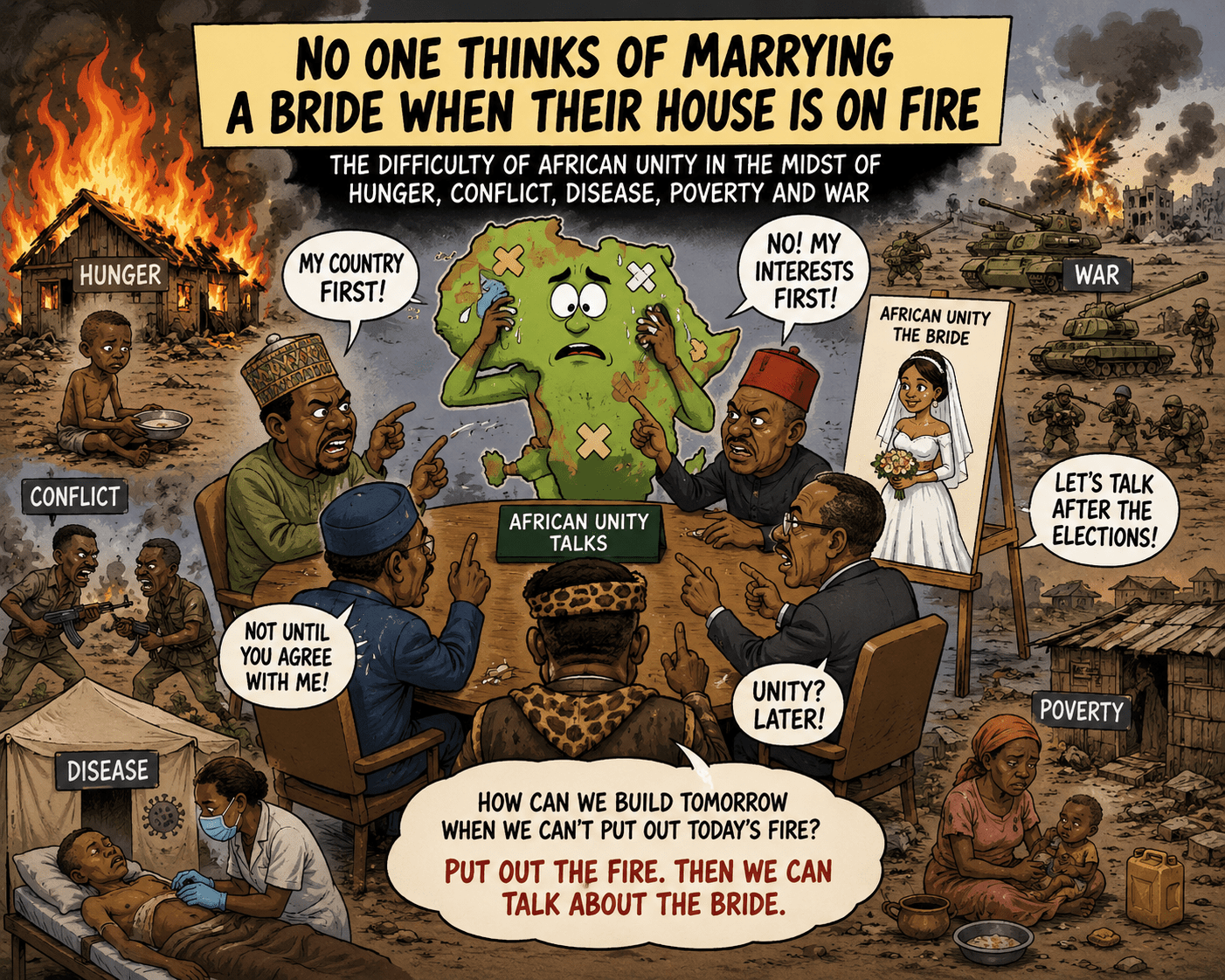
Across the African continent we have autocratic military governments such as that in Egypt, Mali, Burkina Faso and Niger. And we have dictatorships. These guys do what they want, when they want, and how they want. They’re not even beholden to the idea of Africa…
Teodoro Obiang Nguema Mbasogo has been in power since 1979 in Equatorial Guinea, Paul Biya since 1982 in Cameroon, Yoweri Museveni since 1986 in Uganda, Isaias Afwerki since 1993 in Eritrea, Denis Sassou Nguesso since 1997 in the Republic of Congo, and Ismaïl Omar Guelleh since 1999 in Djibouti.
What are the chances that these “cranks”, or their successors, call them what you like, would agree to joining a united Africa? Why hasn’t Niger and Nigeria united under one country for example?
What’s stopping such unions?
Or to ask the same question differently, why hasn’t all those small countries across West Africa from Senegal and Gambia, through Cote d’Ivoire and Ghana, to Togo and Benin united into one country?
Someone please write down the top 100 reasons stopping their unification, and let’s discuss those reasons one by one, so that what I’m trying to convey here becomes clearer.
In addition to dictatorships, we’ve had conflicts in countries that are in war, or disputed territories (Libya, Sudan, DRC, Mali etc). And pragmatically, it’s harder to talk about uniting with your neighbours – when your army is fighting against a jihadist insurrection. Or when some disgruntled general in the north – has received military funding from foreign entities – and now has ambitions to control the whole country.
And this is before we even address the health disparities across the continent, the cultural differences, the religion and language conflicts, and many other issues that make African unity seem like a pipe dream.
Don’t get me wrong, I am a Pan-Africanist, I agree with the sentiments and depth of feeling that Africa would be much better, much stronger, and more resilient as a single political and united block. But thus far I’ve not encountered any convincing blueprint as yet that maps out realistically how we get there in more practical (and less sentimental) terms. Even the African Union don’t have such a blueprint.

