The world turns on an axis of interests. You might actually say that the world turns on an axis of “special interests”. Let me explain what I mean. If you are a great power, you are interested in keeping your economy competitive, you want to maintain a strong currency, you want cheaper imports, you want to maintain a superior position in the world, you want a strong military, and you want safety and security for your country and your citizens.
You also want your business folk to do well across the world, and for your goods and services to be competitive on the global market. Here, you might add that you also want your currency to be in demand, and you want your niche industries (pharmaceuticals, agricultural produce, your mining companies and your petroleum supply chain companies: extractors, refiners, producers, etc.) to have a good market share and earn “healthy” profits across the world.
The first set of aims or objectives can be said to be interests. The second are arguably special interests. I’ll resist the temptation to delve deeper into the difference by deferring to this article here.
But what do the interests and special interests of the third world, or the developing world, look like? And what factors or determinants affect those interests?
If we narrow it down to the interests of countries in Central, East and Southern Africa only, you can reliably say they include greater cooperation with neighbouring countries, more access to foreign markets, global economic stability and security, affordable petroleum fuels (or, more generally, affordable sources of energy), better national security, economic growth, political stability and so on.
Special interests in the African context vary wildly from country to country, but incumbency and control over mining concessions are some of the most important ones.
What factors affect those interests?
Now, because of the way the global economy is structured, bigger countries with bigger economies will invariably affect certain things in the world. Disputes between bigger countries can affect the interests of smaller countries; think of the trade war between China and the US, or the conflict between Iran on one side and Israel and the US on the other.
Similarly, economic policies of larger countries invariably affect smaller countries in more ways than the architects of those policies sometimes anticipate.
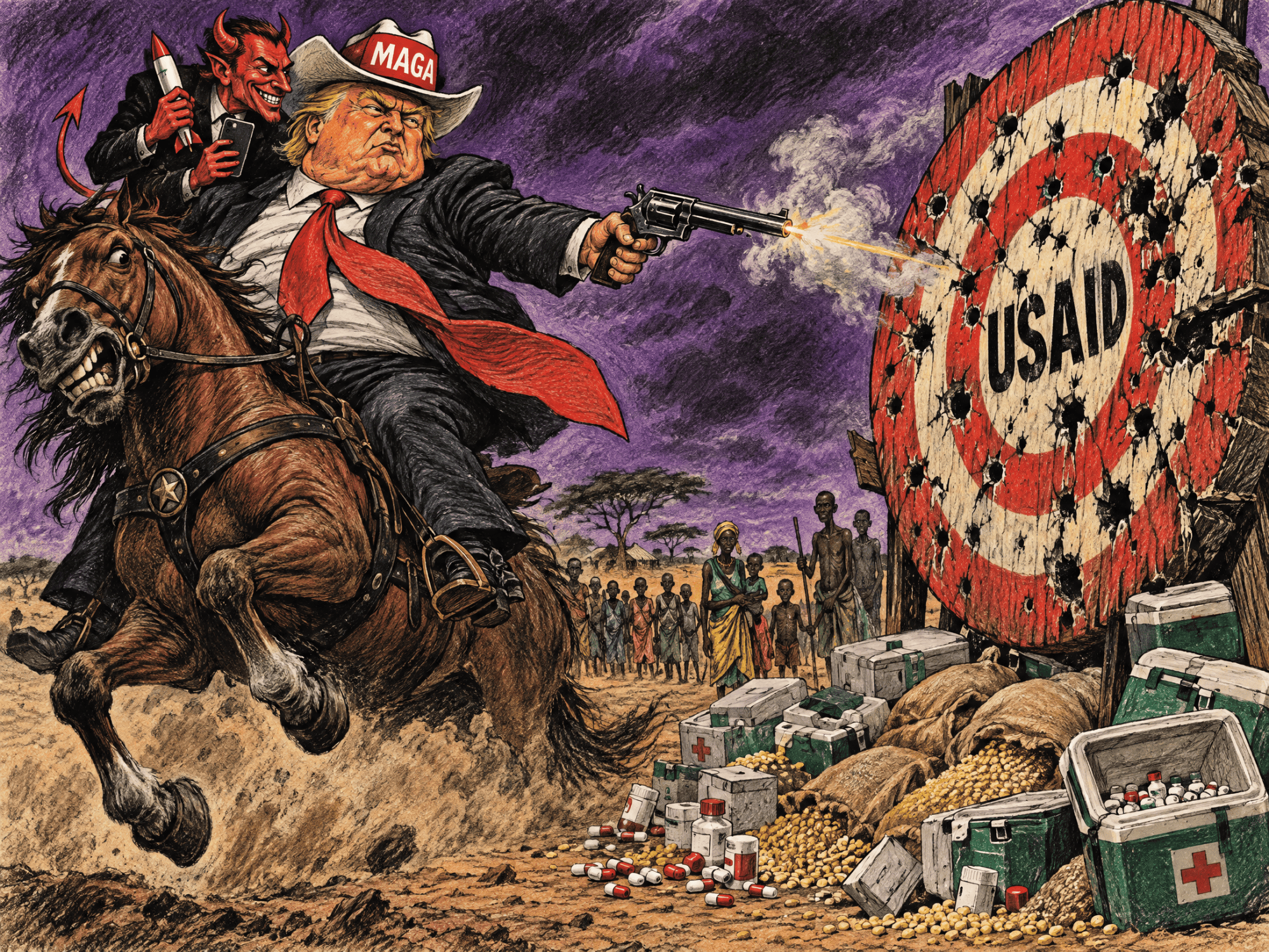
But the decisions that draw great powers into these disputes or actions, and that affect the interests of smaller countries thousands of miles away, do not take place in a vacuum. It’s often the leadership and elected officials of those large countries who make decisions like whether to go to war, whether to raise tariffs, whether to cut aid, or whether to support a regime that is repressive; all of which affect the citizens of poorer countries in the third world.
Which means, if the leadership in those great powers and rich countries is sane, thoughtful, peaceful, responsible, and more inclined to listen to Congress (or parliament) than to engage in global adventurism (and regime change wars), it’s more likely than not that the interests of the third world, and of Africa, will be preserved, or even advanced.
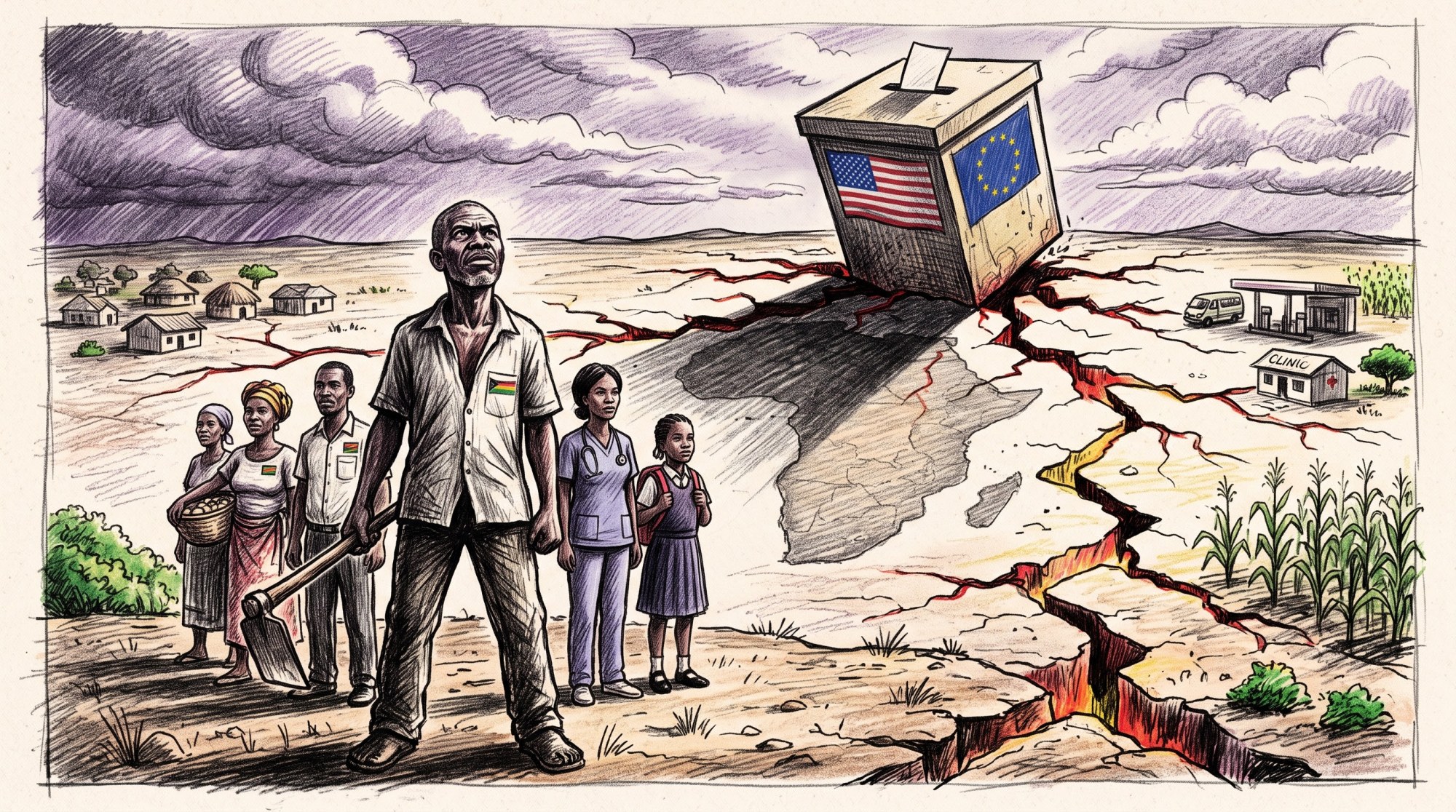
And that is the reason why Africans should support the election of progressive leaders in US and European elections.
Progressive leaders like AOC, or Abdul El-Sayed – who is running for Senate in Michigan, will more likely than not, follow the laws of their country. They will respect the authority of the UN and the rules of international law. They’re less likely to engage in regime change wars (or to support such) , less likely to cut essential aid that helps millions of disadvantaged people across the world, less likely to impose punitive tariffs and sanctions that affect the health or security outcomes of the third world. They will be less fanatical or erratic in the way some of the recent leadership has been. And all these are good enough reason to support their elections.
Of course, progressive governments have not always lived up to this; some have cut aid, backed military interventions or turned protectionist on trade, and some African governments have found conservative administrations easier partners. But on balance, the odds favour leaders who respect the law, their legislatures and international institutions.
Our interests are a lot simpler
While the media in the US and Europe has at times been preoccupied with the idea that China, Russia, North Korea or Iran were interfering in their elections, and with accusations that social media sites like Facebook were blocking certain kinds of messaging to favour one candidate or another, for Africans our interests are a lot simpler.
We hate it when Americans or Europeans elect crazy leaders who mess up the global economy. I’ll repeat that: Most Africans who follow global politics hate it when you guys elect leaders who mess up the global economy for the rest of us.
Because ultimately, in a globalised world as we currently have, our people pay more for it. Unfortunately, they suffer more because of it. When a president in Washington wakes up and slaps tariffs on half the world, it’s the maize farmer in Malawi who feels it. It’s the cocoa farmers in Ghana who feel the pain. When fertiliser prices jump, because someone decided to start a war in the Middle East, it’s the minibus driver in Lusaka who pays double at the pump, it’s the farmers in Zimbabwe and Tanzania who will feel the pain. When aid gets cut with the stroke of a pen, it’s the HIV clinic in rural Mozambique that runs out of drugs. We don’t get a vote in your elections, but we sure as hell get the bill.
Our economies are already on the back foot. We are carrying debt we didn’t design, trading on terms we didn’t write, and we have a lot of ground to catch up. We are trying to build roads, power grids and industries while the goalposts keep moving.
The last thing we need is another tinkerer in the White House, or in Downing Street, or in Brussels, who makes adventurous changes for whatever reason, and just fucks our economies up.
So when you go to the polls, America and Europe, spare a thought for the rest of us. Your political experiments are in fact our emergencies.

